Update & Pics’

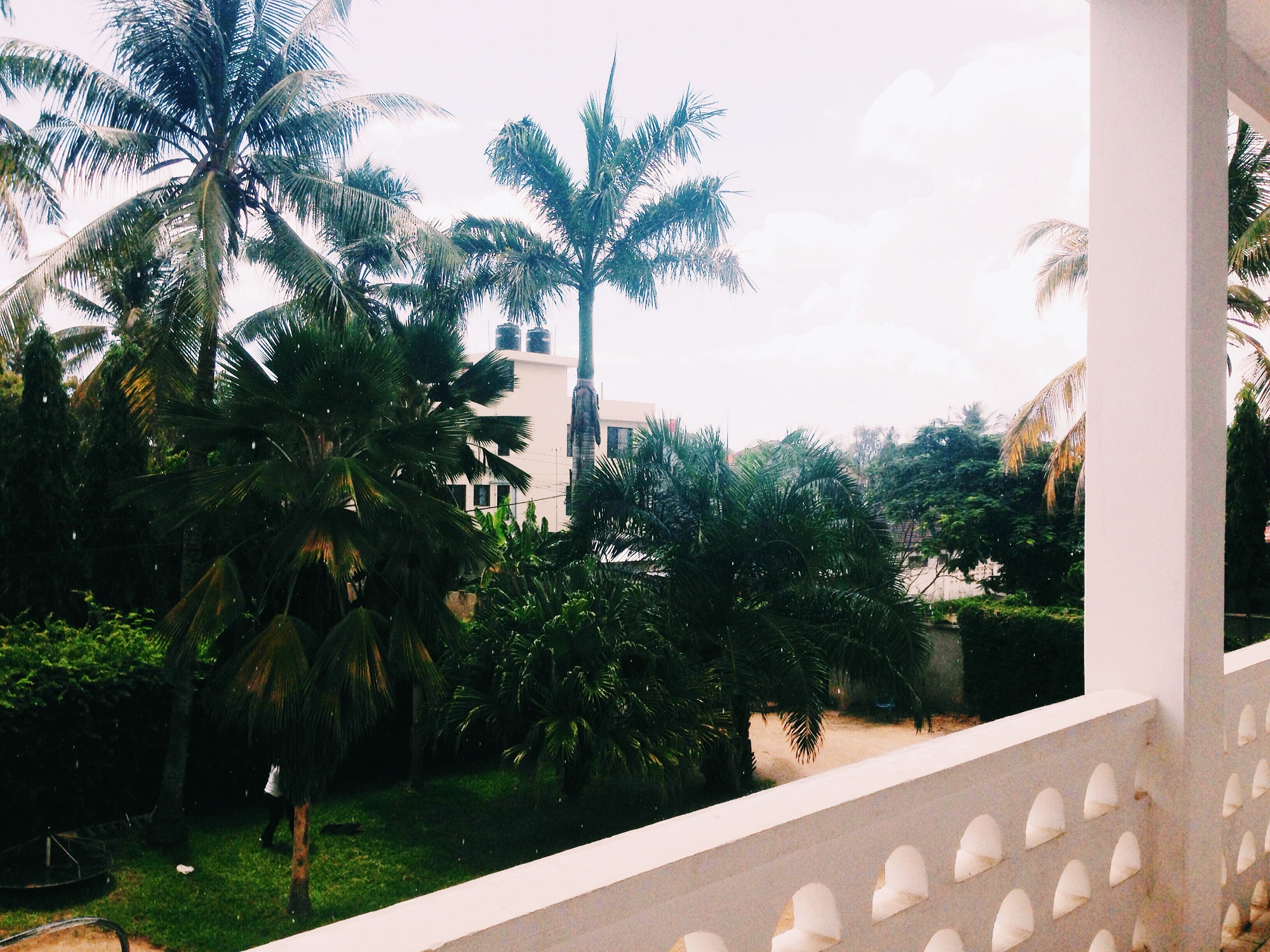
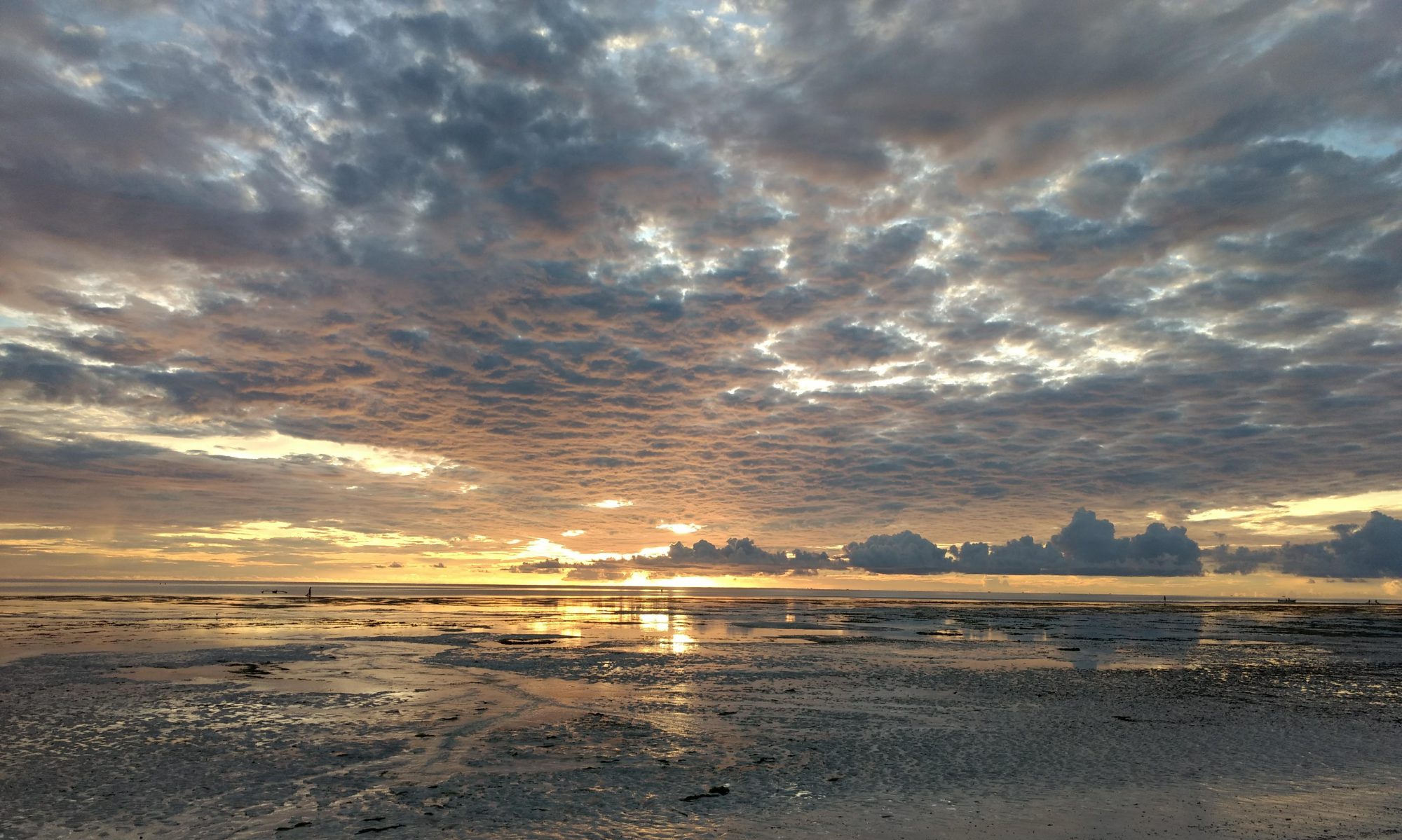
I promised pictures and here are a few. One day it was 35 C and I honestly don’t know how I made it through that day. It was a little too warm and of course, I decided to go for a long walk just that day haha only to realise ”yeaaaah maybe NOT the best decision”. But let me not complain, it is actually really nice to not be freezing all day all night :p.

Tomorrow I’ve been here for a week already which is kind of fast and still slow. Everything goes much slower here in Tanzania compared to Sweden. It can be both a good and bad thing. For example, on Thursday I spent all day trying to reach one of the organisations that I am supposed to interview and they never answered. Not only that I actually wasn’t able to reach them from Sweden either. But worry not. I have good news. A lady that works there answered my call on Friday and I should be able to go see them in 2 weeks. Somehow, it is also nice that people take things lightly here. It feels like people are not so stressed about life here as in Sweden….

Just today I was chatting with a guy about certain things that can make life stressful, and he told me ”yeah you see life can be quite difficult sometimes but there isn’t much one can do about it. If you sit around and wait for something to change in order for you to start living, it’ll never happen. You might as well just enjoy life and take things as they come”. I couldn’t have said it better. I have already met people here quite randomly and had intresting discussions about all sorts of topics.

That is one thing I love about Tanzania. People are very open and nice here. These few days while I have been doing a loot of reading and getting a deeper knowledge about my thesis topic, I have realised how much it helps that I actually do speak swahili and am familiar with the cultural context of this city. It is easy to get around and I do not have troubles finding my way, more or less. This city is way too big for me to know it properly inside out. It is kind of funny how at least on the outside I look just like everyone else and can go pretty much unnoticed on the streets. One person even asked me ”are you sure you aren’t from here? You look and speak like us!?” But once we get into deeper discussions it is very obvious that I have a different mindset than some of the people I have met.

Ok, last thing about my thesis stuff. My supervisor in Sweden has approved my research questions yeey, and I have sent in one exam yippi. Tomorrow I am meeting my contact person here in Tanzania. She is the headmistresss of the Barbro Johansson School. I’m going to conduct a small scale ethnograpic study at the school for one week and see how things work there. I will also have one focus group session with some girls at the school where we will discuss the topic ’gender (in)equality’ and what experiences they have had of it, if any. And then I also plan to interview the headmisstress and her assistant. I hope one week is enough, because I understand that they have their own schedules at the school. Otherwise I will have to go again the following week. So, next week I will be in a different region 😀

I am really glad because it has only been a week but I have gotten so much done already. I’ve actually read most of the things that I had to read and been able to get hold of both my organisations, finally. The Barbro Johansson School is funded by JOHA Trust, which is one of the organisations I am interested of learning more of. And the headmistress, my contact person, sits on the JOHA Trust board, just to clarify why I’ll be going to that specific school.

One last note, besides from all the studies, don’t think that’s all I’m doing. Well, it kind of is. But I decided since I have a good flow for now, I’ll try to study Mon-Fri and on weekends meet up with friends and some distant relatives. I thought this is a good idea because I get to have study breaks. Change environment and do something fun. This weekend I visited a few friends and went to different parts of the city
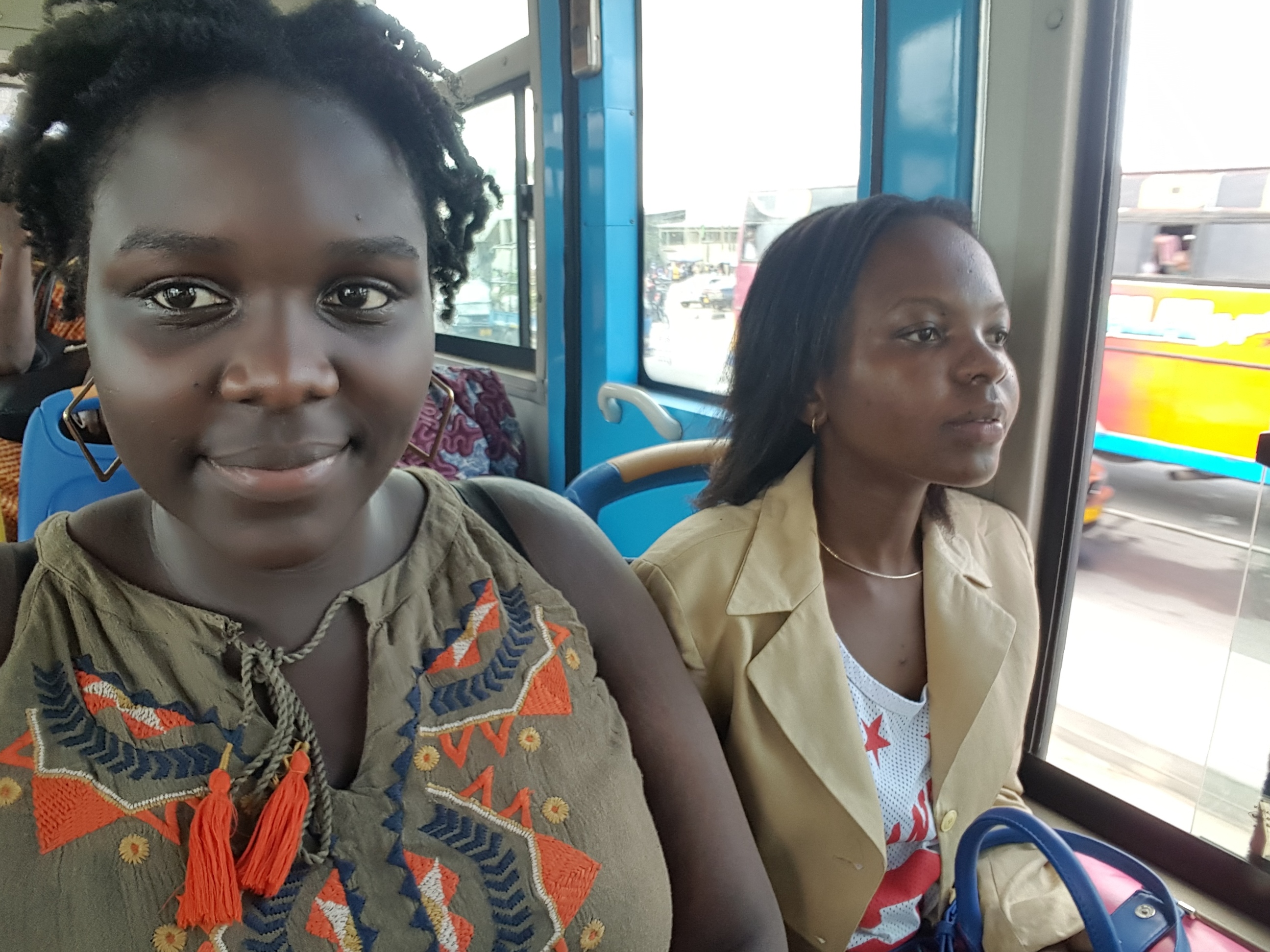
My friend Vee & I on the metrobus going downtown

😀

This is getting to long. Take care and see you next week!
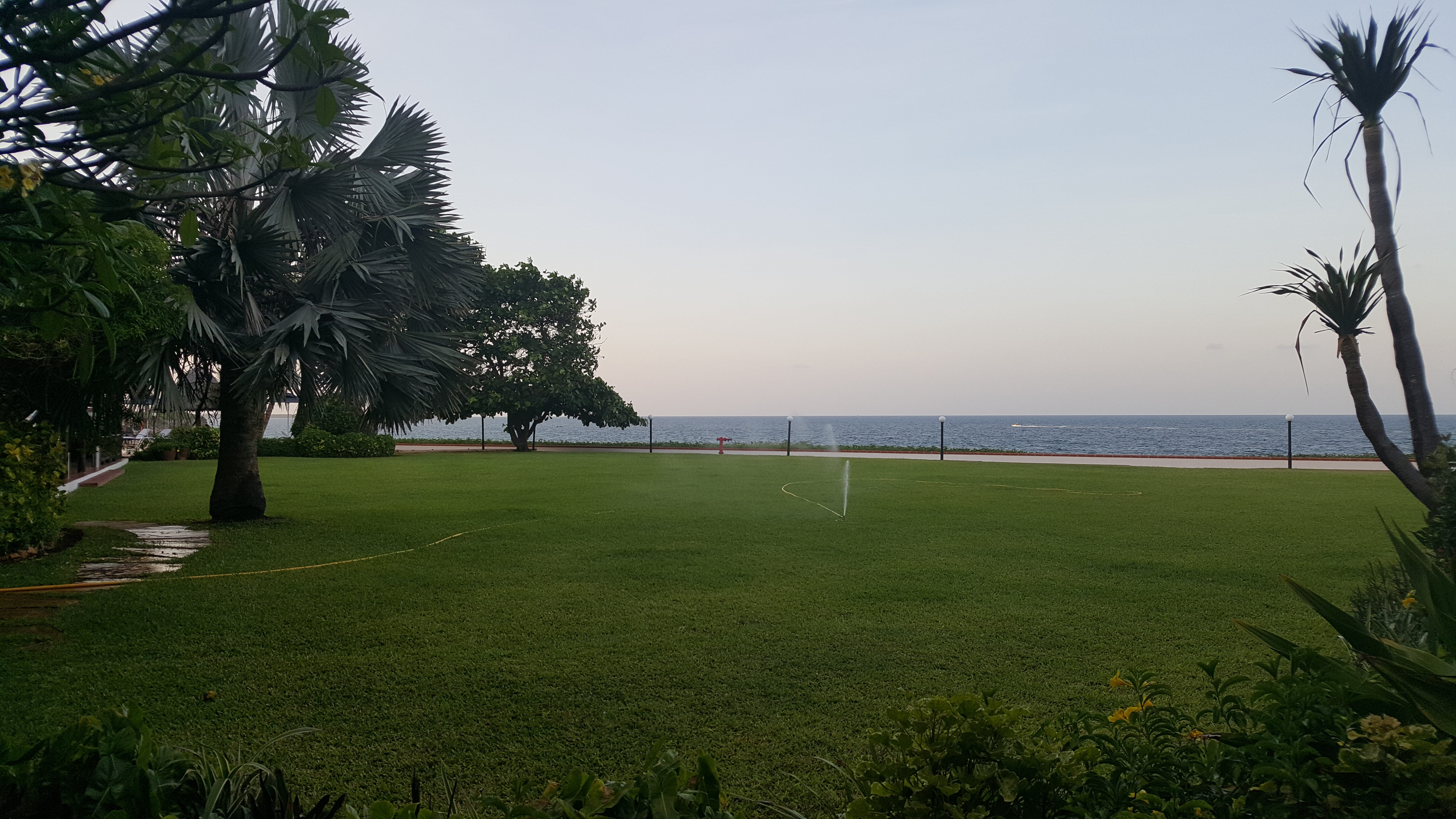
The view
sharing the Swedish culture of ’fika’ XD
THIS latte was soo good!
Studying at a café by the ocean
”moderate” weather… Only 35 C

Lizard & escaping the traffic jam

Hello everyone!

I finally arrived in Tanzania a few days ago. I know I’m quick in writing and it’s because I feel the internet I am using is quite unreliable. So I am trying to make the best of it.

As you may have noticed hehe, I will be writing the blog in English because a) I study in English & all thesis progress will be written in English. And b) all my family and friends can follow the updates, without being ”left out”.

First of all, I want to start off by saying I AM ALIVE, this is more to my family that have been bombarding my phone asking ”did u arrive?”. YES. I did. And it is suuuper hot!!! When I arrived, it only took 30mins to get through the immigration & passport control + collect my luggage, so a big round of applauds for the airport staff. Usually, it can take up to even 2 hours. So this was beyond awesome. So, what have I done these few days?

I have slept! I was so exhausted by the journey. And when I finally felt a little alive, I had a friend help me with getting a sim card, setting up internet etc etc. Oh and I found a lizard in my kitchen. I feel so welcomed 😀 On a more serious note, I have studied. I have been writing my literature review and some other ’fun’ assignments that I have to send in to my supervisor (in Sweden) next week.

Also, I have managed to escape the hectic traffic of Dar es Salaam! Two days in row! Now, if anyone has ever been to Dar es Salaam you would know that the traffic jams here can get quite crazy and tiresome. So, me escaping it for 2 days is also beyond awesome. I hope I did not just jinx my own luck lol. Anyhow, I am supposed to start the ’real’ thesis work next week, tomorrow I am dubblechecking with my supervisor if that is still possible and hopefully by the time I write next time, I have started the empirical thesis work. OOH and I am so bad with taking pictures… But, in the next blog I will post some pics.

I hope all of you are doing well in lovely Sweden. Did I mention it is 31 C here. And sunny 😀 hehe

See you in the next post 🙂

Final Update! I think :)

Hello!

You may notice that my updates are not as frequent as those of other students and there is an explanation to that.

Internet. 

Where I live there is no internet. If i go by bike 10-15 minutes to one of the restaurants by the beach there may be internet, but bring your pacience and be ready to change your plans of the day. I knew this before coming here to do my study and I was prepared for it…yet to make a thesis internet seems a bit crucial in order to find all the info, articles and everything.

Another alternative is to go by bus into the closest town, León. Door to door the trip takes about an hour and that is not a problem. But when planning and doing an interview study the plans changes quikely. The partiipants don´t show up and you scheduele for the next day, so OK I don´t go to town…folloing day they cancel again and it is to late to go to town and so on…

But as I have written before, it is all worth it! I just hope that Malmö University understand why I haven´t updated so frequently as they have wanted..sorry Malmö University!

So my study is coming to an end…all the interviews are done, still waiting for some emails from some organisations but in total the field study is done. Now it is ”only” the writing part that is missing. I decided when I got the MFS scholarship that I would hand in my thesis in August instead of in May, since I had no idea how the study would go down here. The minimum stay is 8 weeks and that is pretty fair if everything goes as planned, i not it is nice to have 1-2 weeks extra like I have had. I also don´t know if we are supposed to write the thesis completely during this time aswell, that might be. But I have not had the time to finish mine so I am happy that I have until August to finish it.

In total if you have the energy and interst do a minor field study, apply! Do it! You learn so much from it! Of course it depends on what you want ot learn and do, but either way you will come out of it with an experience that the majority of your classmates does not have.

I don´t think this will be my last update, since I want to share some of my findings with you as well. So hold tight they will come!

Take Care!//Sandra

The trouble of interviewing someone who does not think like you

My thesis treats the subject of abortion and I will boldly say that abortion is a hot subject non-dependent on where you go in the world (even in Sweden), because my experience is that close to everyone hold their personal opinion about it. If it should be restricted or not, how it should be, why it is good or bad, who should decide and so on. Women from the Northern Europe, like me myself, have had access to abortion roughly said the last 50 years give or take and may be it is seen as obvious for us. It is absolutely not like that in the rest of the world as you may already know. And to sit down and talk to someone about something that is obvious and a matter of course for me but not even slightest to that person, that is a very special experience and many it times it is hard to hear about. Something that is important to think about is that this is their reality and who am I to say that “No, that is not how it is. You should think like this.” That is just patronizing and colonial thoughts all over again. This society is so different from ours and the history as well, so of course there is another way of thinking, arguing and coping with situations as well. But for me as a woman hearing thoughts and opinions against women held by other women is something rather hard.

But you surely learn from it, so much! Doing this study has been such a unique experience that it is hard to explain. I have learned new things every day, it has been overwhelming a lot of the time, I have met wonderful people and it is just wow! Without a doubt this experience have developed me as a person, student and a woman. It is hard work that is for sure, a field study is not the easy way of doing a thesis, but so worth it!

Buy local!

Nicaragua have like many other Latin American countries survived on agriculture and they still do to a certain point. A lot of the land have been bought up by big foreign exploiters who own the land, let the Nicaraguans cultivate it, pays a small fee for the products, exports them to Europe or the United States and earn a lot more than they paid the farmer in the first step of the exportation. This is not a new phenomenon this is how it works in many parts of the food industry. When you buy that Pineapple at ICA from Costa Rica or Nicaragua for 10:- and think “wow that is so cheap so nice!”, think about how many hands it has passed on the way and that if you pay only 10:- for that juicy fruit, what did the farmer get?

Last year I did a tiny field study here in Nicaragua interviewing independent farmers who refused to give up their land and they told me about the struggles they face when trying to stay away from the big companies. When selling your land to a big co-operation they also own the product produced on the land. The independent farmers they own their land since generations back and they also own the products. To be safer and always have a product many independent farmers cultivate many different fruits instead of just one. This is not only good for them but also for the nature and the soil with changing crops that doesn´t drain it from nutrition. In one single farm you can find papaya, mango, squash, avocado, banana, peanuts, potatoes, tomatoes, carrot, onion and all kind of melons you can think of and lots more. Even if the many products reduce the opportunity to have large amounts they still secure themselves of having products all through the year since they all have different seasons. Sometimes the farmers can sell fruits to the foreign exporters when there is a big cry for something on the other side of the lake (Europe), one year it´s avocado, the next one it is mango but most of the products they sell on the local markets to the local people (or to me). It is always uncertain to be a farmer;

“Some years the rainy season will not come in time, not stop or not come at all. We are always dependent on the weather of course and if it is not on our side we stand without an income and can´t support our family” – Field notes April 2015.

When this happens they take loans from banks who are specialized on farmers and agriculture. When I asked how big the loans could be they told me BIG and told me amounts from 200-400$ (1800-3200:- ) that will take them years to pay back or they can negotiate about the land that they own with the bank. That seemed to be the biggest fear for many farmers, to lose their land that they often have owned for generations.

Pesticides I was told are not used if they really don´t have to. First of all they are expensive but foremost it is not good for the soil, fruit or us. This really surprised me actually. If these farmers on the countryside of Nicaragua gets it why doesn´t even the most well educated ones does? But the big companies do use the and it goes down in the groundwater and pollute the water that the farmers use for watering and drinking. That is another big problem in the region but maybe I will tell you about that another time.

So I thought I would just write about the amazing food that they here but now you got some background story as well. What I wanted to show with this is the importance of buying local and ecological! It may be a bit more expensive, but hey you can afford it and I you can´t well don´t buy it at all then. I can tell you that the fruits here are heavenly juicy, fresh and they get bad within a day or 2 if you don’t eat them, isn´t that incredible?! The avocados are as big as melons and the melons are as big as well what is bigger than a melon? And the first time I saw a REAL passionfruit big, round and smooth as an orange I thought to myself “well in Sweden we don´t have real fruit…it´s something else!”.

All in all I eat a lot of fruits, vegetables and beans…ohh I forgot to write about beans. Well you eat beans 3 times a day and they are gooood! They are good for your heart and they make you fart as a tipsy man once told me.

Every time I go to the market I know that the fruits come from local farmers who deserve every Cordoba that I pay for that banana or mango and I am more than happy to pay it. Do you know where your food comes from? I am not trying to judge anyone just remind you to think about it at home from time to time. It is a global market that we live in but don´t forget the local one 🙂

(Pictures of the great fruits are coming in a near future)

Take care everyone!

Interviews in a hot Nicaragua

This week have been interview week and 3 have been done so far. And I can tell you that it is so much fun, it is hard to keep the interviews shorter than 1 hour! My interviews are not straight/up interviews with prepared questions it is more like thematic discussions. This means that we are having a conversation/discussion about some themes that I have prepared and the interviewee is the one doing the most talking. I thought and I have also been warned from people at home and here that abortion is a really stigmatized subject and that it will be hard to get the information that I am looking for. I have also considered this and I was a bit nervous during the first discussion, but it went really good and it was no problem to bring it up after about 30 min of discussion of other relating factors. But something that is hard to handle are some opinions that I myself don´t agree with. Trying to stay in the role of information gatherer and not someone who came here to give information and lecture about abortion and reproductive rights. So I am working on how to stay calm and proceed with question on why it is like that and so on.

I still have to do at least 2-3 discussions more so the following days I am going out to look for some more persons who would be willing to participate in the research. I have already asked the other participants if they know anyone but I haven´t got an answer there yet. Someone that would be so interesting to interview is the teacher here at the school who is teaching the sex-ed course since 15 years back. I think that she will have some really valuable information, so I am going to try to get in contact with her.

When transcribing the interviews I learn a lot on what I have to do a little bit different the next time or I find a question that I really have to ask the next person, it is a process and I am learning along the way. So the following days will be transcribing and just collect and organize the material that I have right now.

Nicaragua is as hot as it can be and I am longing for the rainy season to start soon!

/Sandra

Tjii fick jag för ”god planering”

Då var jag tillbaka i Nicaragua igen efter 2 hektiska månader hemma i Sverige med skola, förberedelser för resan, MFS-kurs i Härnösand, möten med handledare… listan är lång, men nu är jag här i Nicaragua!

På MFS-kursen så hade vi en förmiddag med en före detta MFS-stipendiat och han sa verkligen flera gånger att det inte alltid blir som man har tänkt sig och det är bara så och man får helt enkelt försöka lösa det på bästa sätt man kan. Jag har känt mig ganska så förberedd i och med att jag har bott i Nicaragua och vet hur saker och ting fungerar här. Dock så redan andra dagen så stötte jag på problem (har nu varit här i 4dagar). Min tanke var att komma ner så fort de obligatoriska momenten i skolan var gjorda så att jag kunde komma igång snabbt. Sedan är det som ni vet snart påsk, Semana Santa, vilket är utan tvekan det största i traditionsväg och firande som finns i Latin Amerika, vilket också betyder mycket dyrare flygbiljetter. Så jag bokade biljett för att komma ner i god tid innan Semana Santa och kunna spara in några 1000-lappar. Dock så är det ju så att hela landet har ledigt under en hel vecka och då åker man ut till kusten. Min handledare här nere hade försäkrat mig om att boende skulle jag hitta, det var absolut ingen fara och att han säkert visste något om det inte skulle lösa sig. MEN så var det inte! I den lilla kustbyn Jiquillio där det är tänkt att jag ska göra min undersökning har priserna på rum, hus och allt med ett tak höjts till helt otroliga priser såsom 6000.-/veckan! Detta är helt utanför min budget och bo i tält hade jag gärna gjort om det hade vart lugnt och säkert, vilket det tyvärr inte är. Så vad gör man då? Ja man får helt enkelt göra det bästa av situationen och inse att nej jag kan inte börja min undersökning riktigt ännu.

Så idag har jag dragit i kontakter jag har här sedan innan och imorgon kommer jag att flytta till den by där jag bodde under min studietid här i Nicaragua. Jag har fått ett rum hos en familj där i en vecka vilket ska bli väldigt trevligt. Det är också ruralt och enkelt och jag kommer helt säkert att få med mig en massa erfarenheter av att bo tillsammans med dom. Så jag kommer att hålla huvudet kallt och verkligen kunna förbereda mig för min undersökning nu i en vecka.

”Lugna” hälsningar Sandra!

Tanzania – a last reflection

During three months, I did a field study in Tanzania about aid and women’s education. I investigated two projects that focus on young women’s education. One of the projects is the Mama-course program, which gives pregnant girls a second chance to education, and the other is the Help-to-help foundation, which offers scholarships and skill-training to ambitious students who wish to study at university but don’t have the economic means to pay the tuition fees. After interviewing numerous people, I strongly believe that both of DSC02099these programs are important, and that they include a new way of thinking about aid. In my opinion, these projects respond to the local needs, build human capacity, and provide ground for making long-lasting changes in the society. They alter social norms, help people to be independent, and thus, empower the poor and marginalized.

The time I spent in Tanzania was valuable, and I learned a lot. I will certainly miss the friends I got and the adventures I woke up to every day. I am very grateful to all the people who helped me with various things, participated in my study, and made my stay a blessed one. In very few places, I have received so much love.

Nevertheless, there are numerous issues in Tanzania that are problematic and hinder its development. The country has been dependent on foreign aid for decades, and this without showing much progress. One might ask if the external support impede on the government responsibility to provide political goods to its population. Is aid a solution for development, and if so, how should the external support be carried out?DSC02923

The government aspires for Tanzania to be a middle-income country in the near future. And indeed, it is a country with resources, and the economic growth has been high for several years, with an annual growth rate around 7 %. However, the majority of the population is still living in poverty, with a huge gap between the rich and the poor. Gender equality is far from reached. Women are still doing most of the work in the household, they are often discouraged to make their voices heard, and they might not have the right to decide over their own bodies. Forced marriages, early pregnancies, and sexual violence occur. Domestic violence is more a rule than an exception. In many schools, children are beaten by their teachers if they don’t behave in a disciplined way. The pupils might be punished if they fail an exam, have a sexual relationship, or are late to school because they had to work in the morning.

Nonetheless, most Tanzanians I met were proud of their reputation of being so peaceful. But from my view-point, it seems to be a long way to go before peace has occurred at all levels in their society.

IMG_2930A sustainable development must include empowerment of the disadvantaged.  All people should have the right to a decent life, without discrimination or violence. I went to Tanzania with the idea that education is the ground for development. But education is not enough. It must be qualitative, based on individual needs, and it should provide for life-long learning. To have a school system in which the students are worried about not being able to pay the school fees, are afraid to be beaten, and are not allowed to ask questions or think critically, and where boys and girls do not have the same chance to finish their studies, it might be very difficult to develop to a middle-income country. The change must come from within. Economic development is not the same as sustainable development. Education is a step, but it must be carried out in a way that provides for the people to be able to build the country. If aid should be a way to reach these goals, it must help people to help themselves towards a sustainable development. I hope that people will get the chance to understand their capacity to change their lives and to improve their conditions. It’s time that Human Rights become global norms.


The blog was originally published on: http://fufkorrespondenterna.com/2015/07/13/tanzania-a-last-reflection/

A Second Chance to Education

Imagine that you are a teenager in Tanzania. You come from a village. Every day you go to school, and you love studying. You study hard because you know that your parents are poor and they struggle to afford paying your school fees. But you are planning to do well, and find a job. Your future seems bright.DSC02073

Then suddenly, you see that your body is changing. You hope that everything will be alright. But you know that it will not. You have become pregnant. What is going to happen next will possibly destroy your dreams.

Soon you are suspended from school in accordance with Tanzanian law. Your friends laugh at you and wonder how you could be so stupid. Your family is angry and disappointed. Maybe you are not welcome in their house any longer. The boy you thought was in love with you says that he does not like you any longer, and he denies that it is his child.

Instead, he continues with his studies. But you cannot: because you are a girl, and you have become pregnant. You are on your own now. The future you thought lied in front of you seems to be very far away…

This is a common situation for young girls and women in Tanzania.DSC02069 If one gets pregnant in primary or secondary education, she is forced out from school, and the community disregards her. Some might get support from their families or relatives. Others are completely rejected. They have lost their chance to education, and the way they thought would lead to a better life.

So, one might ask if this practice in accordance with the International Human Right Charter that claims that every child has the right to education? Or if it follows the UN’s Sustainable Development Goals that will promote equal and qualitative education for all, at all levels of education? The answer is: No. And still, it is happening on a daily basis in Tanzania.

Moreover, this issue is well-known. And for some of these young women, there might be a second chance to education. One program that I believe gives the opportunity is the Mama-course program provided at six Folk Development Colleges in Tanzania. I have visited three of those, and I was surprised by the change they seem to bring.

DSC02102

Firstly, the Mama-course program gives the young mothers free education for two years. They live on the college with their child together with 14 other young mothers. They learn things such as entrepreneur skills, life skills and English, and they get vocational training, for example in cooking, farming, or electrical installation.

The positive effects of the two years program are prominent. The young mothers get more than education. They regain self-confidence. They see the possibility to become independent. They get respected by the community again. The parents are happy and they can help to support them with knowledge and skills. Their children become healthier at the college, and they learn new things in kindergarten and get friends during the program. The mama-course students now see the chance to get employed, start their own businesses, or (if getting enough capital) continue with secondary education.

DSC02143

Still, as with many good programs in Tanzania, there are issues with the capital. Only 90 students every two years are able to enter the program, and currently there are problems with the funding. The mama-course students at Ilula FDC had to interrupt their studies after the Winter-break due to lack of finance. They, and their children, are still waiting for a chance to enter the program again.

I sincerely hope that the Mama-course program can expand and provide education to more of these young mothers who always should have a second chance to education. And I wish that the government will take actions to provide for a better future for those capable young women. Hawa wanawake vijana wanaweza! (These young women can!)

Just give them the chance that is every person’s right. The possibility and right to: Education.

The blog was originally publiced on: http://fufkorrespondenterna.com/2015/06/11/a-second-chance-to-education/

Time travels fast…

The rain has just passed, the sun is slowly coming out, and the wind is decreasing. Soon the sky will be blue again and the temperature will rise.Processed with VSCOcam with c1 preset I’m sitting on the balcony, looking at the palm trees, and listening to the songs from the birds. Today I have been in Tanzania for two months. I am back in Dar es Salaam.

For the past five weeks, I have been travelling around Tanzania, working on my projects, making interviews, talking to people. My first impression when I arrive here was that people are very friendly and helpful, and this view remains. In all places I have been, I have made many new friends. People say that the Tanzanians are peaceful and warm people, and I am keen to agree.

Nevertheless, there are many problems facing people here in Tanzania. Corruption is common, poverty is widespread, children are out of schools, and every day some people IMG_2933fight for survival. They struggle to meet their basic needs. Some people in the villages just eat once in a day. The food is simple: ugali (a local porridge of maize flour) or perhaps rice and beans. If being lucky, maybe they can add some vegetables, fruits, or eggs. It varies from one day to another. Moreover, the value of the dollar is increasing right now, and it does affect the Tanzanians. The Tanzanian shilling is getting weaker. Food, hygiene articles, medicine, oil etc. are likely to become increasingly expensive. The external support they were receiving from other countries is weakened. For some of the people, life is hard.

Frequently, people ask me for money. They hope that I could help them. They think that the solution might come from external givers: that we in the West have the money and capacity. I understand how they think, and in some senses they are right. We are extremely lucky to be born where we were born. But I do not believe that the solution is external support in that way. I believe that Tanzania has all the potential to decrease the gaps, reduce poverty, and to prosper. Tanzania has resources, they have human capacity, they have willingness to develop, and the people want to have a good and peaceful life. The main problem is that many are lacking capital and/or knowledge how to proceed with their future objectives. And there, I believe external support could help, to give the main tools for development. Then, external support could be sustainable, and help in the long-term perspective.

DSC02130

Even so, the way towards sustainable development might be a long journey to walk for Tanzania. But change could also happen very fast here. Already, I notice that there is a shift in people’s mindsets and many Tanzanian I talked to believe that good education and equality is vital for their future development.

In October this year there is an election in Tanzania. My fingers are crossed that people will use their right to vote, and that good governance, provision of political goods, and human rights will be prioritized and implemented by the political party that wins.


The blog was originally publiced on:

http://fufkorrespondenterna.com/2015/05/31/time-travels-fast/