First days in Argentina

Hello!

Finally I have arrived to Argentina and this new experience has begun.

I have decided to stay in La Plata, a student city one hour outside of Buenos Aires, where I did my exchange semester last year. I have found a wonderful little accommodation with a patio that I share with two other students. My plan is to have La Plata as a ”home base” and then travel to places in the Buenos Aires region when I need to conduct interviews.

On Monday I meet with my contact person who is a teacher at the Humanities faculty here in La Plata and we had a great first meeting together. We talked a bit about my project and she gave me some literature so that I can read up on the the current discussion of abortion in the country. During my exchange I learned a lot about the women’s movement and the political debate of abortion and now I am excited to learn even more and to gain new experiences.

The first days have been intense and filled with studying but I have also had time for some catching up with missed friends from my exchange. The weather is better than I expected so I am walking around and enjoying the sun.

It feels like things haven’t changed since I left Argentina almost one year ago. The people are as friendly as always and they don’t miss a chance to sit down and drink some mate (the argentinian national drink). But there is one drastic change in the country, the economic crisis. The argentinian peso has lost half of its value in one year and the prices have increased due to the current inflation. The crisis is affecting all the areas and spheres of the lives of population, and persons have shared their discomfort and preoccupation on the current situation.

During the week I will continue reading and start to formulate the questions for my interviews. Hopefully I will have some time during the weekend to enjoy some cervezas and perhaps even a concert. The rhythm of life is relaxed and and plans happens in the moment, something that can be a bit different from the Swedish way of planing, but I like it.

Saludos!
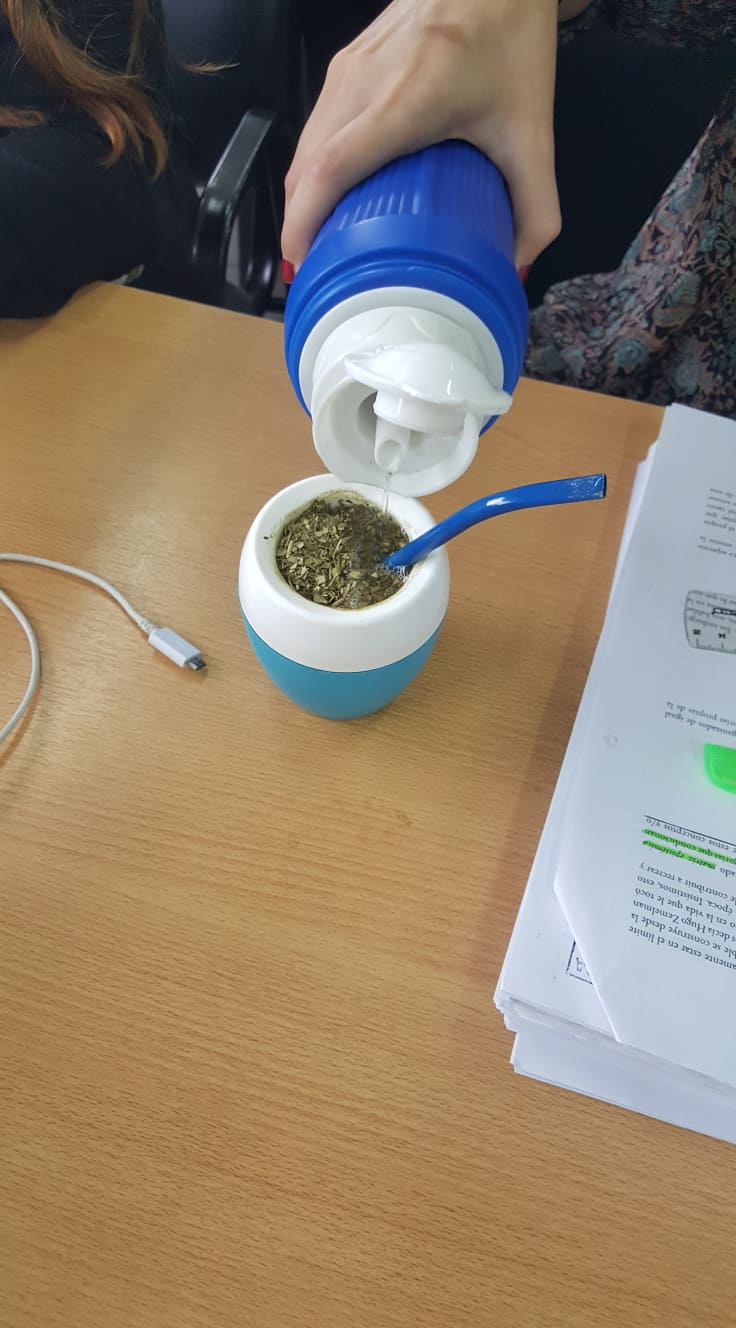
The famous mate, a kind of te that you share with friends
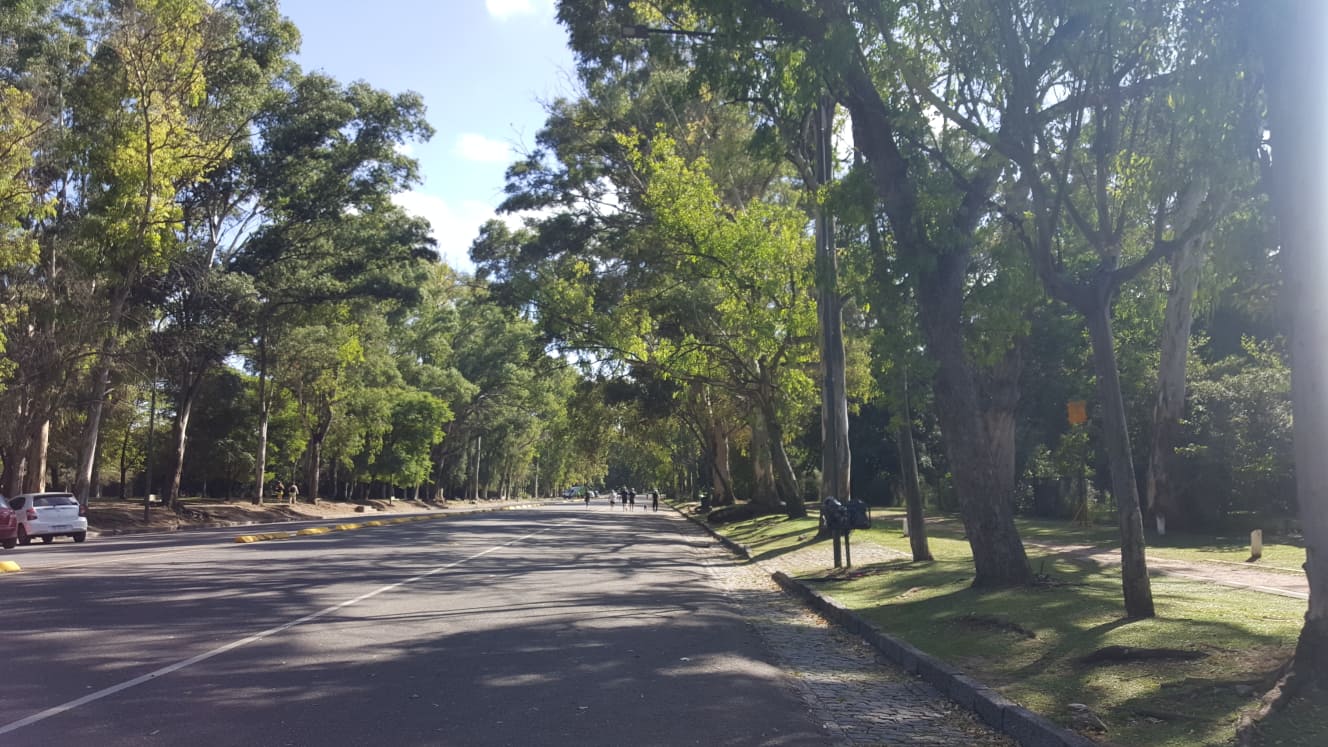
Foto take during my walk to the faculty
The patio at the faculty 
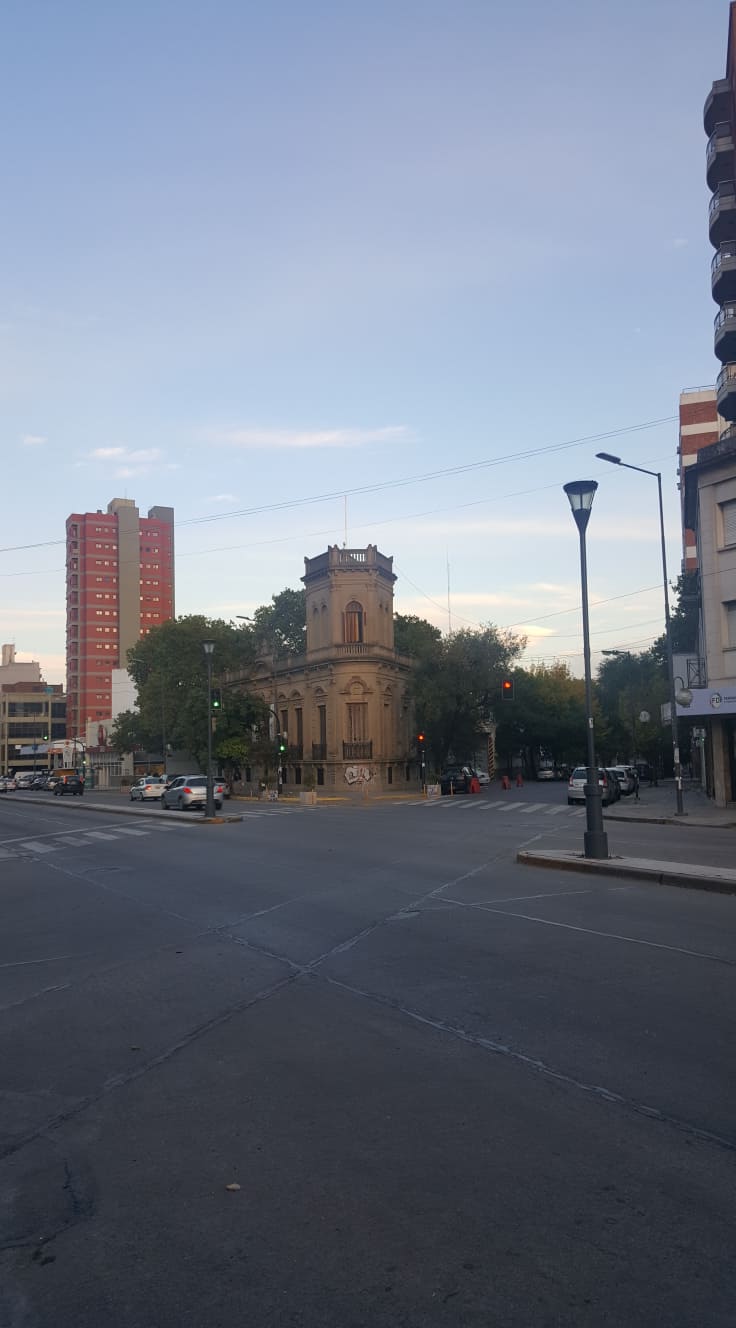
Streets of La Plata

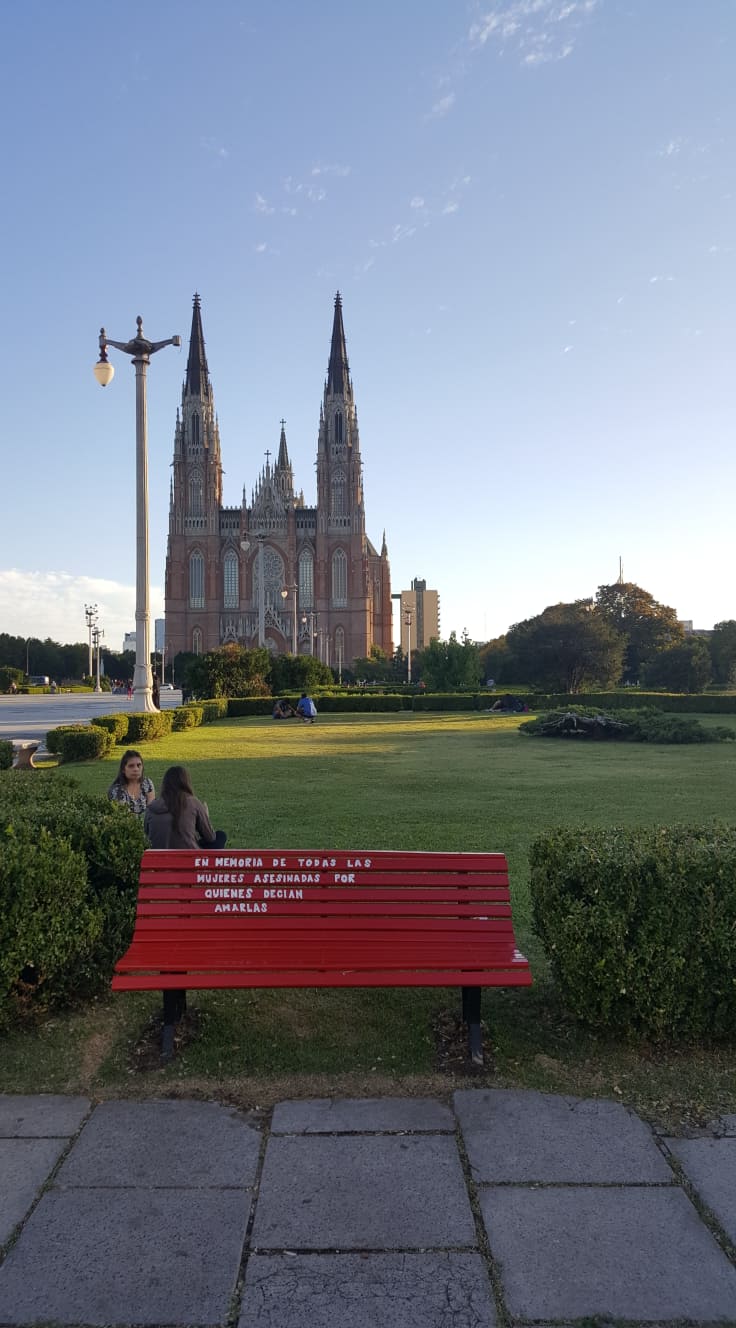
The catedral of La Plata and a red painted bench commemorating women who died due to domestic violence.

Children not mothers!
Graffiti that calls for the legalization of abortion
Foto of my new living room

Gender (in?)equality and prejudice

My stay here in Stone Town is almost coming to an end. Having spent more than seven weeks here, I’ve reflected a bit surrounding gender equality, prejudice and preconceived notions about Africa and developing countries in general. Before coming here, I, like perhaps many others, assumed that I would be going to a country where gender inequality was highly prevalent. I spent a lot of time thinking of how I would respond if somebody questioned why I travel alone as a female, why I’m not yet married or have any children etc. I also mentally prepared for the eventuality of males trying to hush me down, ignore my thoughts and undermine my ability as a woman and, worst case scenario, how I would behave when experiencing sexism or harassment without jeopardizing my own safety. I believe these thoughts have developed because of a narrative that has always been presented to me about developing countries and how they are far behind when it comes to gender equality and how the Western world is advanced in this area.

Instead, my prejudices have been challenged and many times, gotten a big slap in the face. In the second week of being here, I had a conversation with my Swahili teacher (who is a male) about gender inequality. We started talking about the subject when he told me about something interesting he had come to find out somewhere, which he found shocking and disturbing. He told me that he had heard that over in the US, women with the same education and work experience as their male counterparts were not receiving the same salaries as the men. I still remember his surprised reaction when I explained to him that this unfortunately, is the case for many other countries, including countries in Europe. He went on to say that it would be impossible for that to happen here in Zanzibar and even illegal. We later continued on having a long discussion about gender inequality and how it manifests itself differently depending on the country.
Now, I am no expert in Tanzanian/Zanzibari policies and regulations, nor am I saying that Zanzibar is without flaws, because that’s far away from the truth. But one thing I do know is that ever since I came here I’ve seen women in top leading positions, giving out assignments and orders to their male colleagues and employees. Something I honestly did not think I would witness prior to coming here. The head dean at my university is a woman, several of the people in charge that I met at different ministries and institutions while applying for a research permit, have been women. I’ve seen a majority of female doctors at hospitals, many of the police officers I’ve met have been women and, even in my hostel where I am currently living, there is gender parity in housekeeping, reception and in the restaurant. I say all this to say, that in a developing country that is predominantly Muslim, I have witnessed a gender parity and a sense of equality that I would not have expected before coming here. I also believe, that my own country of Sweden who prides itself in being the first feminist government in the world, has a lot of inspiration to draw from this small island off the coast of East Africa.

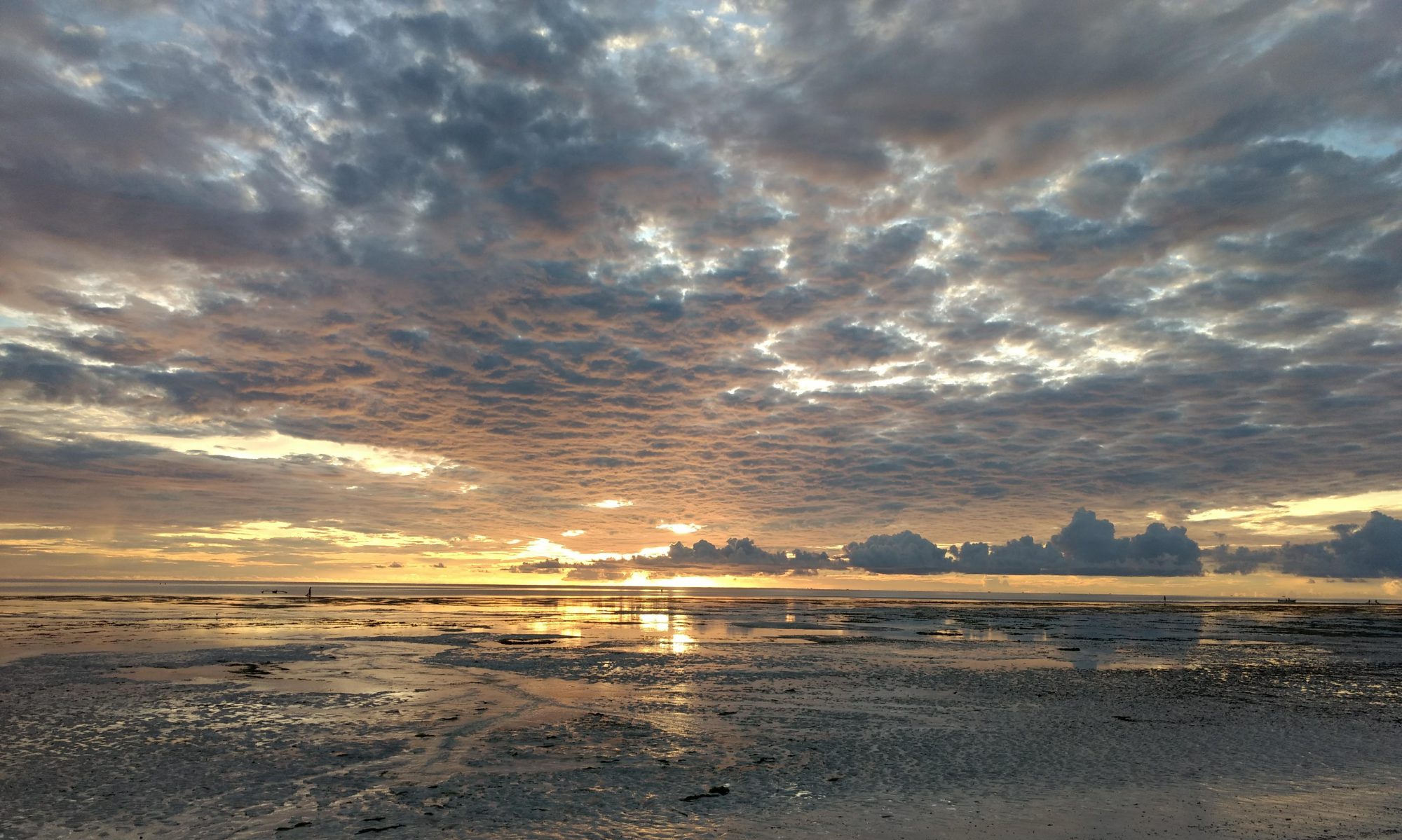
Having no phone on a paradise island makes it a bit hard to complete eye-catching blog posts. But when you have sunsets like these and new-found friends that capture them for you, it’s not that bad 🙂

Habari?

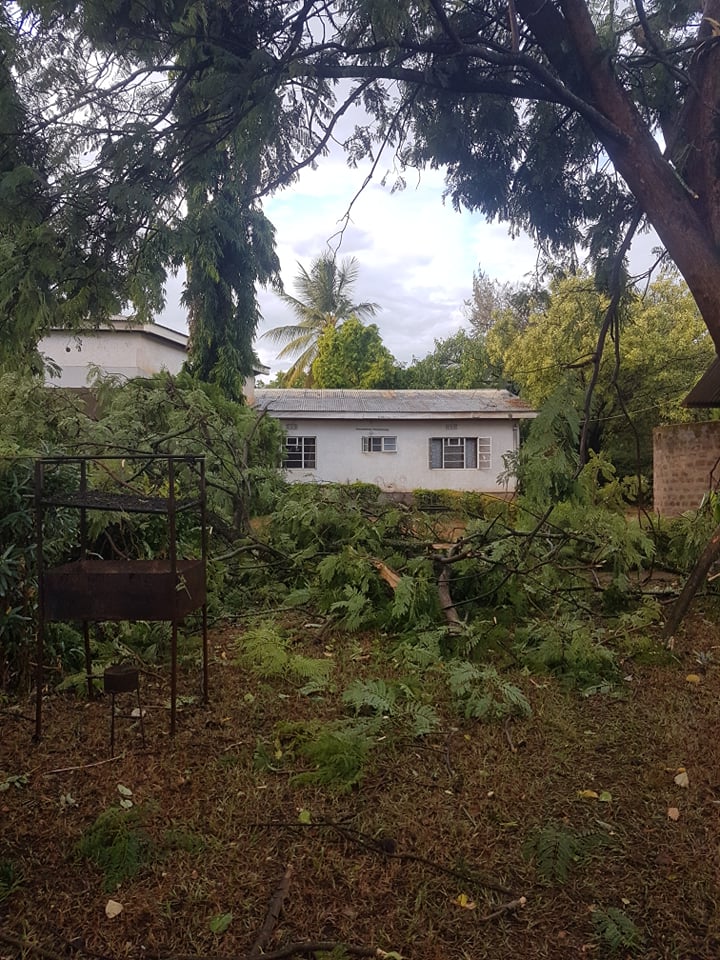
Last week has been a bit chaotic here in Moshi. We were at our favorite place and worked on our study. From nowhere, there came a real storm and it rained in a way we had never seen before. The rain season is on the way and we have talked about the fact that we have to expect a lot of rain, but we didn’t think it would be like this! The trees fell over the roads and power lines were destroyed. We still have no power from the lines, but our accommodation has a generator now. This means that we can now charge our computers and phones a couple of hours a day.

The water has also been a problem during this time, we have almost no pressure in the shower nor any hot water. So, we have cold and quick showers in the evening. And in order to shower the hair, we first fill a couple of 1.5-liter bottles to be able to get the shampoo and conditioner off the hair. After these events we really understand how dependent we are on electricity and water.

Despite some bad luck with the weather, life has continued. Among other things, we have been to a birthday party to celebrate our friend Sanna. The party was at a restaurant called Samaki (It means fish in Kiswahili). During the evening we got to experience some traditions that are made when it is someone’s birthday. For example, the person who celebrate his or her birthday should feed his guests with a piece of cake, then the person being fed will sing Happy Birthday.

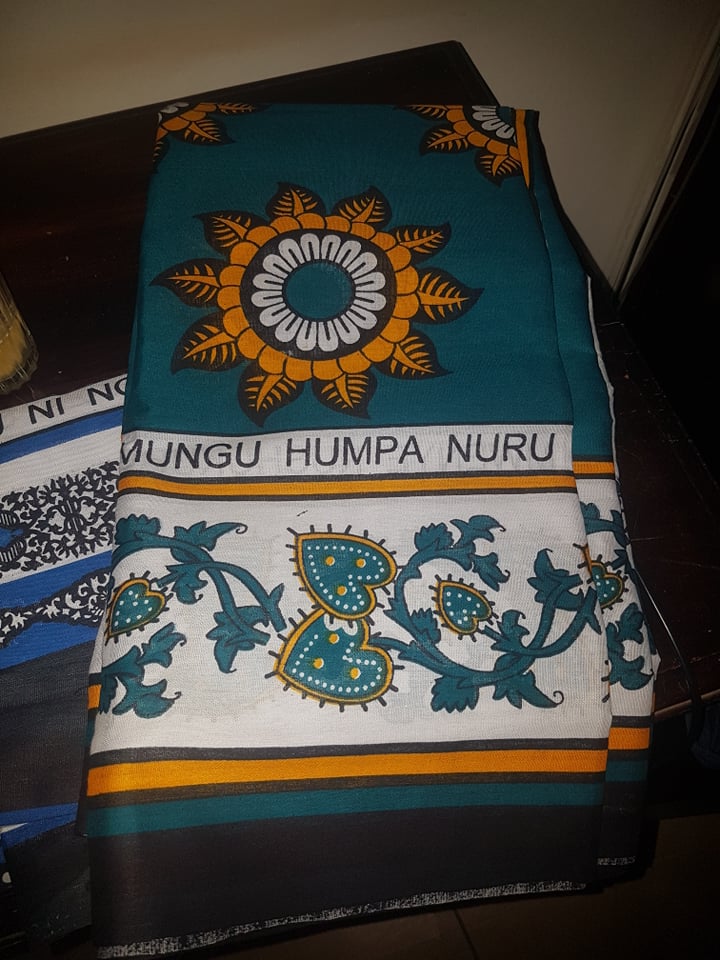
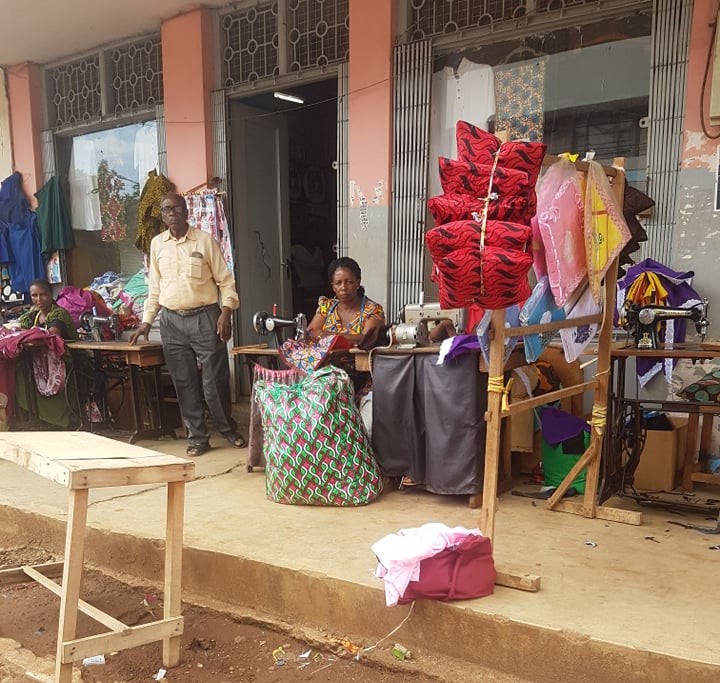
Given that it has been a little cooler weather, we have also done some shopping. Several fabrics have been purchased, some souvenirs, a bag and several kangas.

See you soon!


Första intryck från Mauritius

Anlände för fyra dagar sedan till Mauritius. Det absolut första som slår en är värmen och hur vänliga människorna är. Alla är så hjälpsamma, öppna och nyfikna.

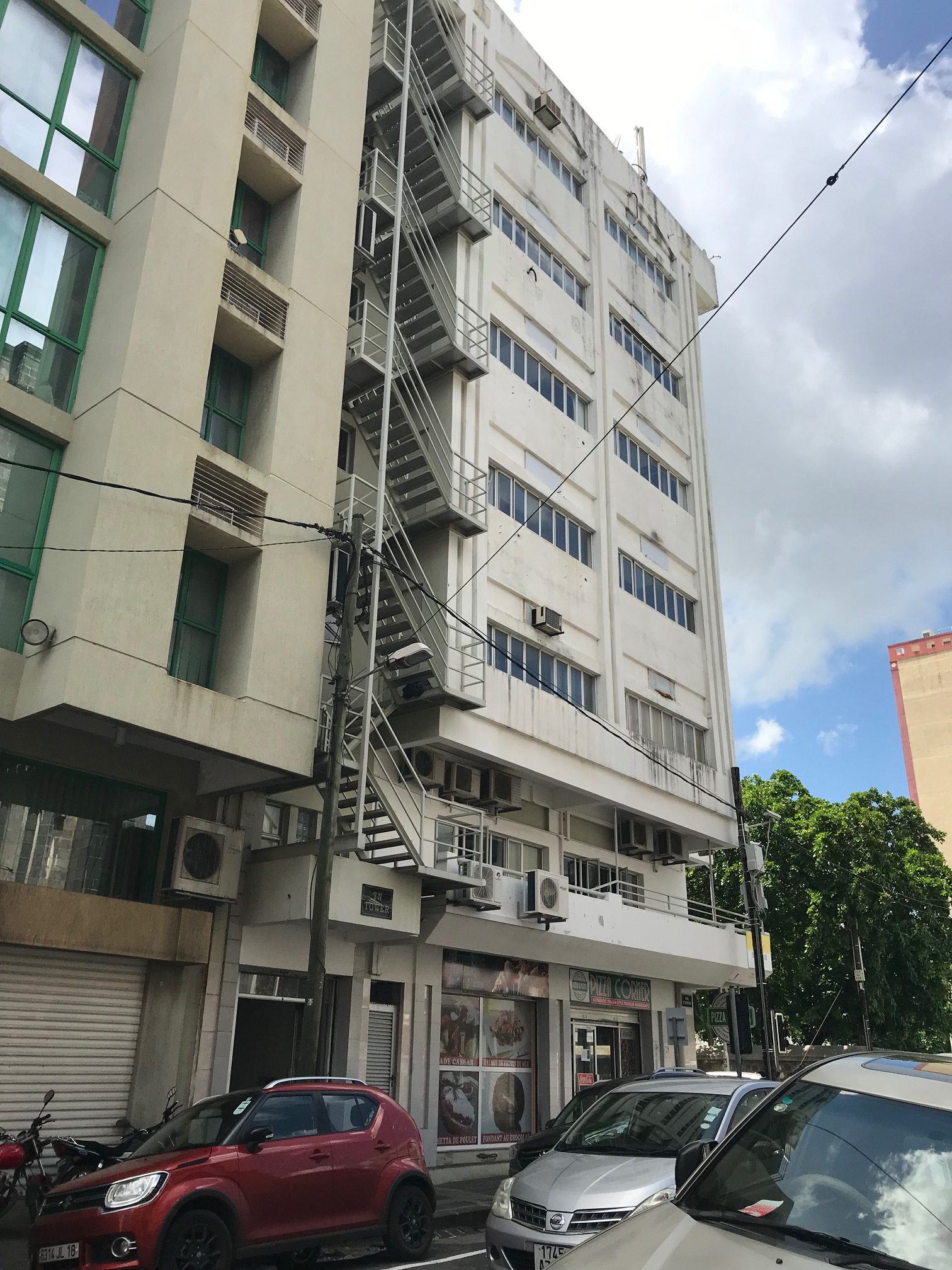
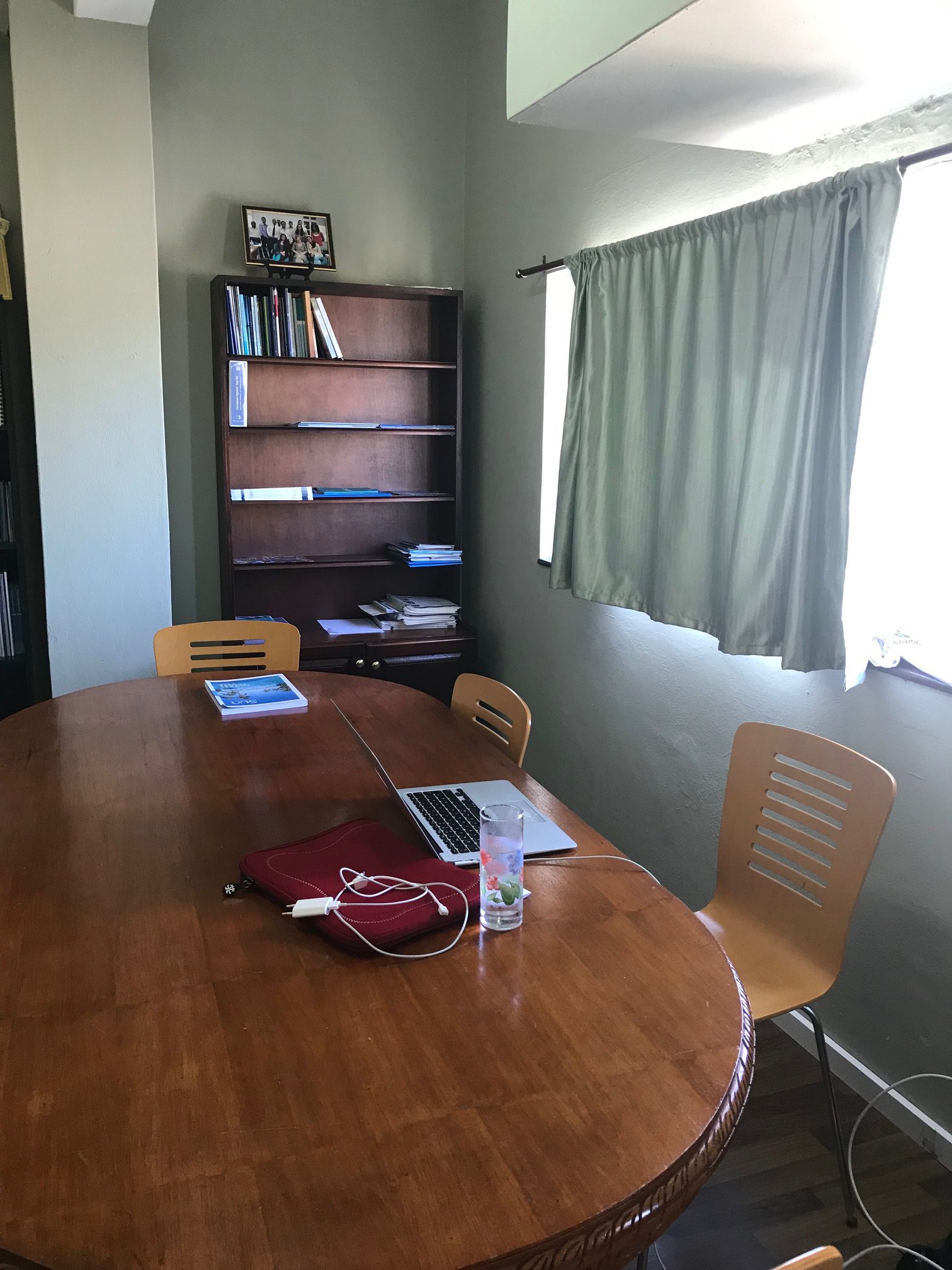
Jag hade på förhand hyrt ett rum i Pointe aux Sables, en mindre stad precis utanför huvudstaden Port Louis (förort kan man kanske kalla det?). Min plan var att ägna de första dagarna åt att acklimatisera mig, men jag passade ändå på att träffa mina kontaktpersoner på plats redan på fredagen. Det blev två mycket trevliga och givande möten! Dessutom har jag fått lov att låna ett rum på Transparency International:s kontor i Port Louis, med tillgång till wi-fi och en telefon. Kontoret är inte bara en plats där jag kan arbeta, jag har också några trevliga ”kollegor” här, vilket är mycket välkommet.

För att ladda upp inför arbetsveckan tillbringade jag en fantastisk helg med bad och skugga (nej, här ligger man inte i solen :D) i Flic en Flac, en av de vackra stränderna på ön. Det gav mig också möjlighet att få lära mig hur kollektivtrafiken fungerar. Ön är ganska liten så man kan lätt ta sig överallt med buss. Passade också på att smaka på lokala specialiteter såklart. Maten i sig förtjänar ett helt eget inlägg!

Så idag, måndag, den 1 april, startar jag äntligen mitt projekt på allvar! Självklart fick jag direkt hjälp av mina kollegor med att få information om hur jag kan komma i kontakt med den lokala myndigheten för att få komma dit och genomföra mina intervjuer. Så nu sätter jag igång 🙂

Bilderna visar mitt nya kontor men jag lägger också upp några bilder om hur min helg var. Jag lovar, det är ännu vackrare i verkligheten!

Вибори Президента України – Ukrainian Presidential Elections

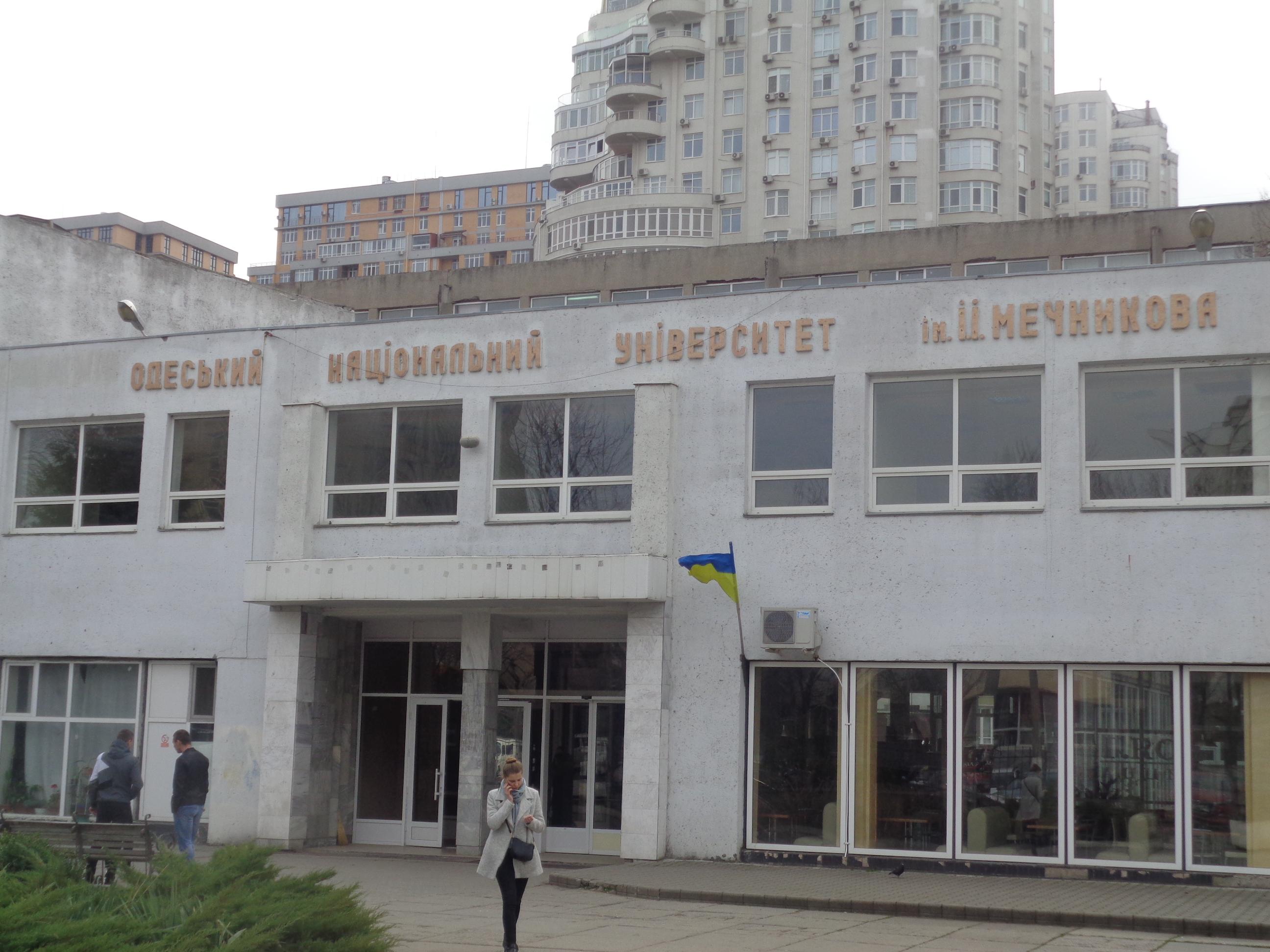
My second week in Ukraine was very successful and progressive. I eventually met my contact person at the I. I. Mechnikov Odessa National University. We discussed the purpose of my study and my contact person expressed her readiness and willingness to help with possible practical issues in the field. The fact that the I. I. Mechnikov Odessa National University and Malmö University are partner universities made me even more comfortable. Nevertheless, I did not like the remnants of Soviet bureaucratic procedures such as unnecessary long waiting times for solving very simple things. Moreover, the  existing hierarchy with varying power relations that one has to deal with is another shortcoming of the post-Soviet educational system.

I. I. Mechnikov Odessa National University

After the efforts of my gatekeeper in the field, I was introduced to the key informant within the Right Sector. I also met the head of  the Right Sector and described my project in detail. Thanks to these contacts, I will hopefully meet and interview some volunteers who will soon depart to join the military squads in Eastern Ukraine. Some of these volunteers have already been at the frontline, and some others are recent recruits. It is very exciting to interview these fighters and to get insight about why they join the non-state paramilitary batallions and squads instead of the regular Ukrainian army. These interviews are planned to be conducted earliest next week since the whole country is getting ready for the presidential elections.

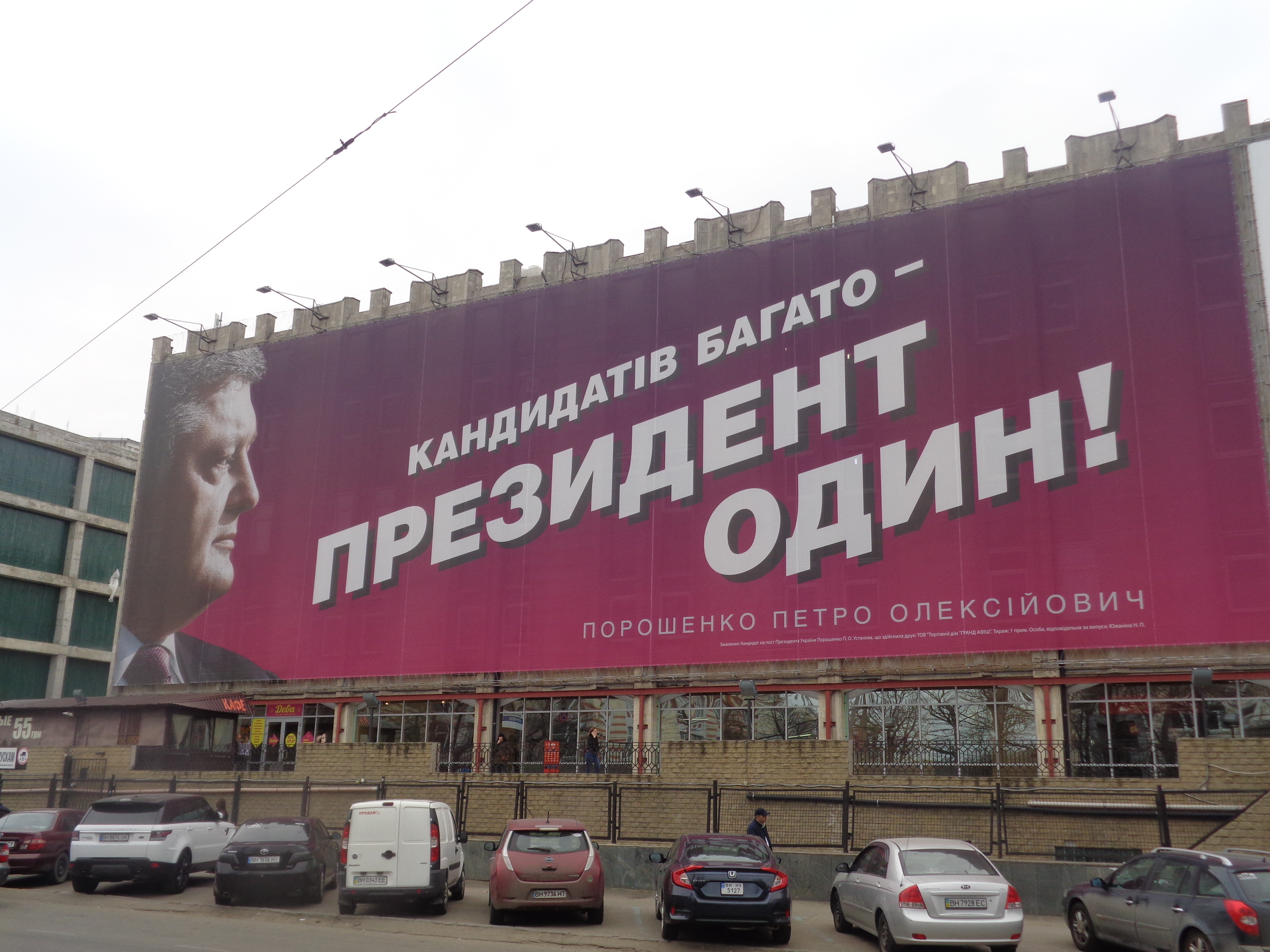
The Ukrainian elections will take place tomorrow, March 31. Although there are plenty of candidates in this presidential race, people are skeptical about these elections.  Most Ukrainians are convinced that their country is still far away from honest, just and accountable elections. Some are indifferent and don’t want to waste time on something they can’t influence. This indifference is explained by the influential role of high ranking oligarchs in the country who usually have the final word.  Recently, I had a conversation with a taxi driver who told me a real life story about his experience of Ukrainian elections. This middle aged man went to one of the municipal electoral boards to confirm his participation in the upcoming elections. However, his name was not found in the voting list, whereas the electoral comission found his dead father who was registered as a voter. The man just laughed and said nothing when I asked him whether this incident was an accident, a technical error or a deliberate strategy!?

The poster of the current president Petro Poroshenko

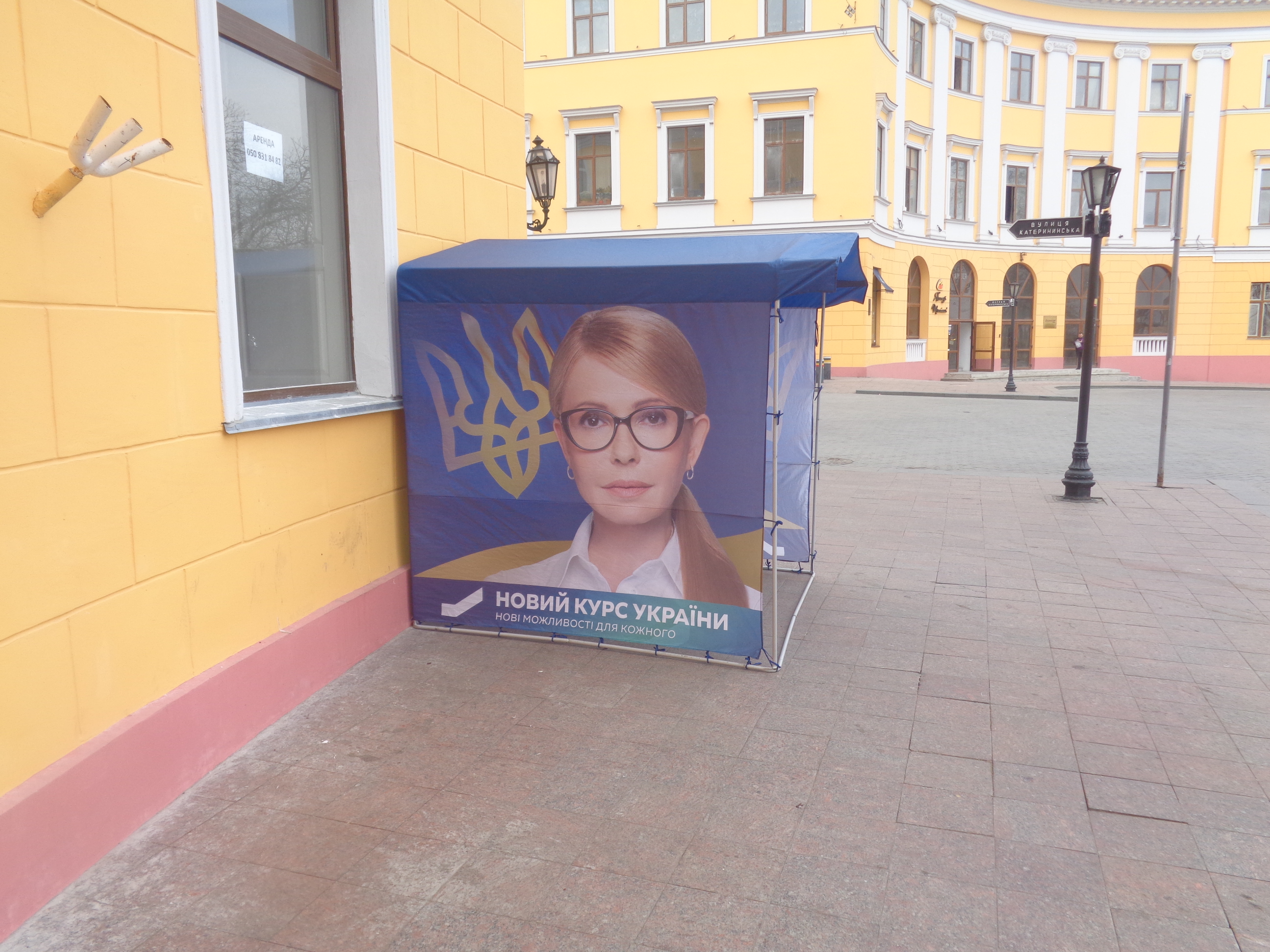
Regardless the distrust towards their politicians, considerable number of voters support Yulia Tymoshenko who can become the first ever woman president in the history of the post-Soviet Ukraine. Tymoshenko’s campaigners told me that Ukraine needs a new hand, a new breath, a new start, and finally a mistress who will rule the country differently from her masculine predecessors.

Yulia Timoshenko’s electoral tent

I really wish Ukrainian people  successful elections and I hope that these elections will be held without any violence!

Habari? (What’s new?)

The last several days in Tanzania has been educational in many different ways. Firstly, we have learned to appreciate the Swedish schools and their equipment. For example, there is only one computer at the entire school (Msiriwa Secondary School) that only the principal and assistant principal use. The teachers also do not have their own work spaces, there is a small room that everyone shares with a standard that we are not used to. There is also no copier so if the teachers want to copy something they have to go to town which is about 30 minutes away by car. The teachers have only a few textbooks, blackboard and chalks to use as teaching materials. Despite this, they still seem to get into teaching that makes the students manage their finals. Impressive, to say the least!

Teachers room

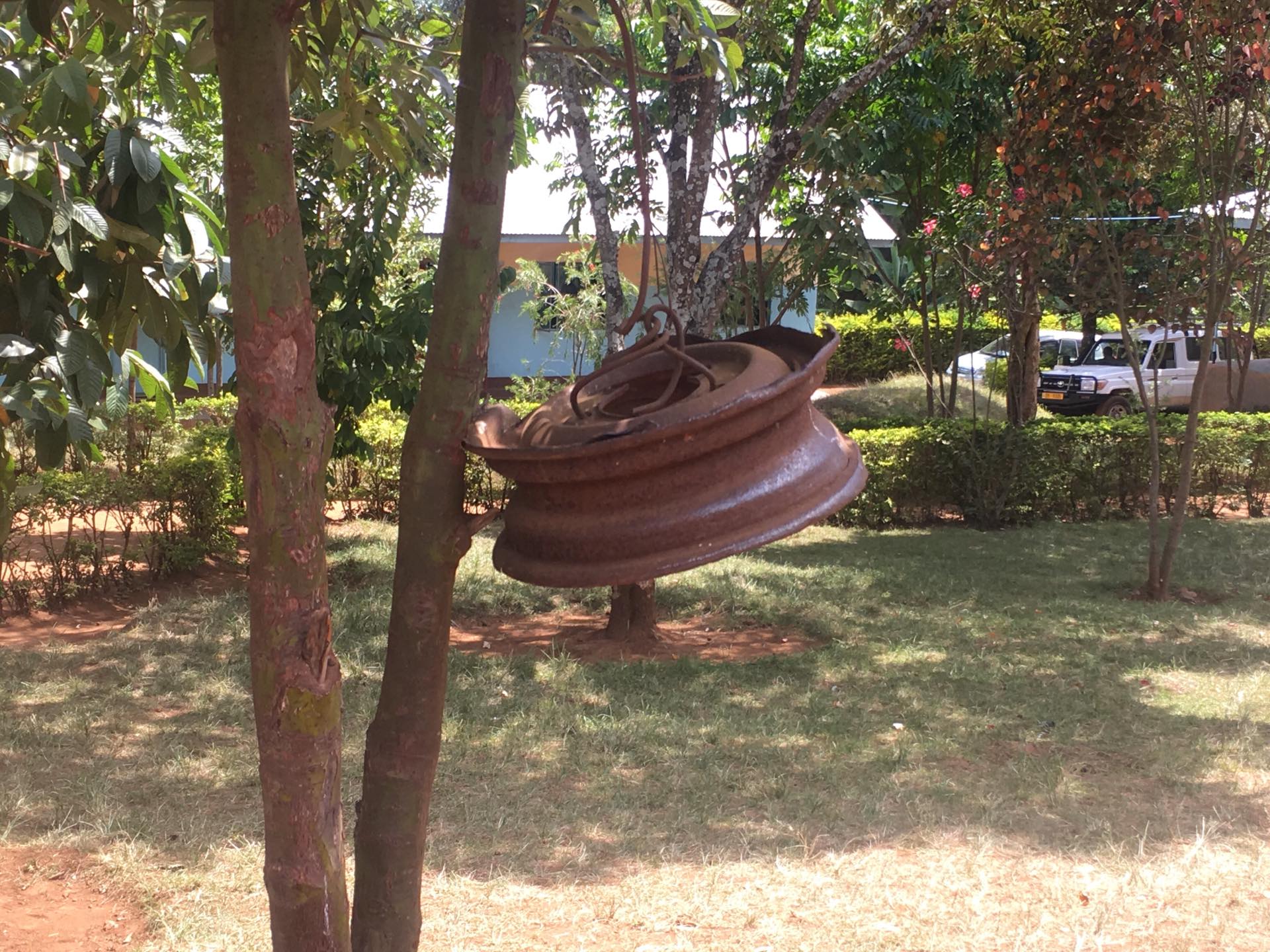
A rim used as a bell

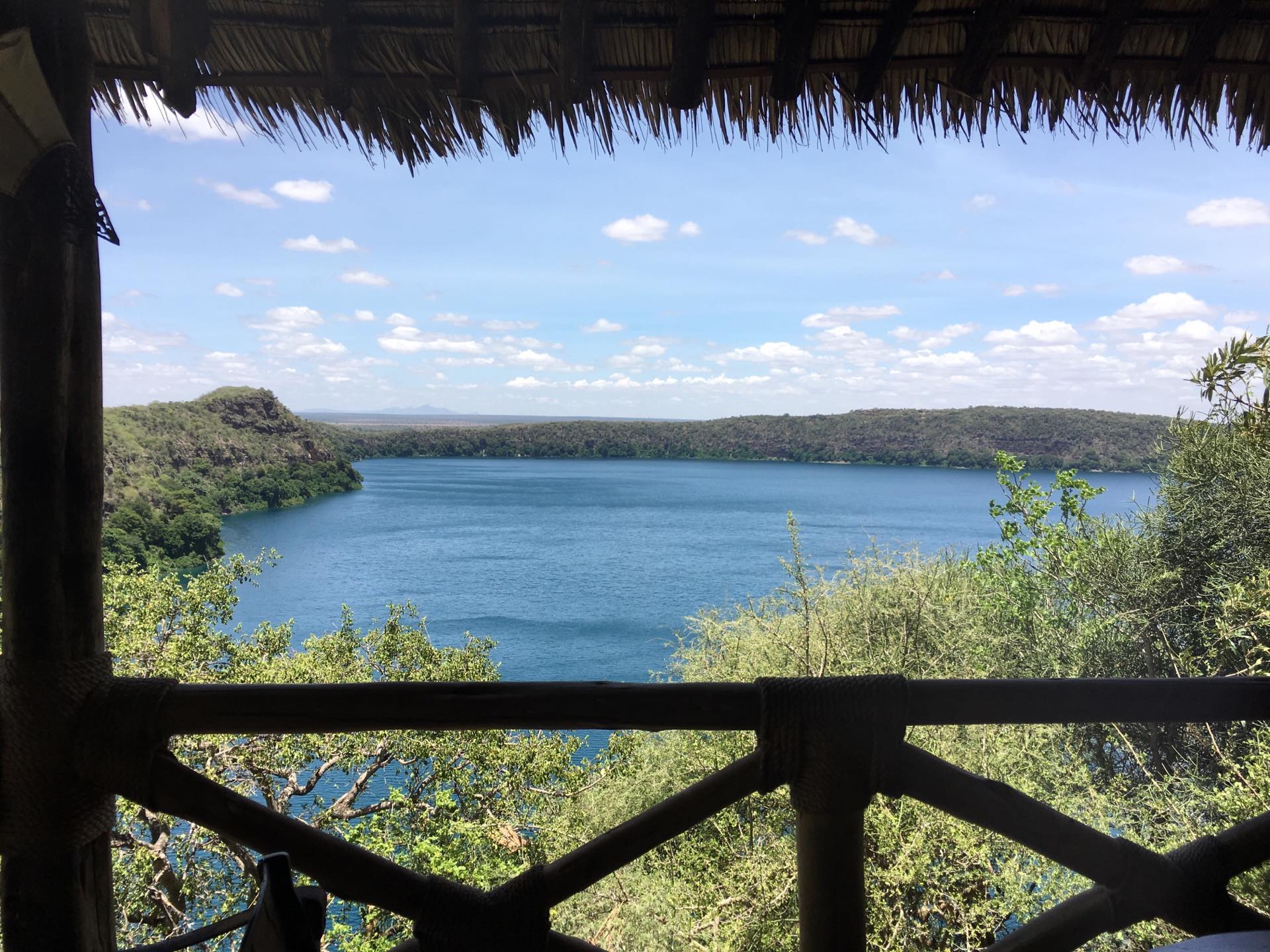
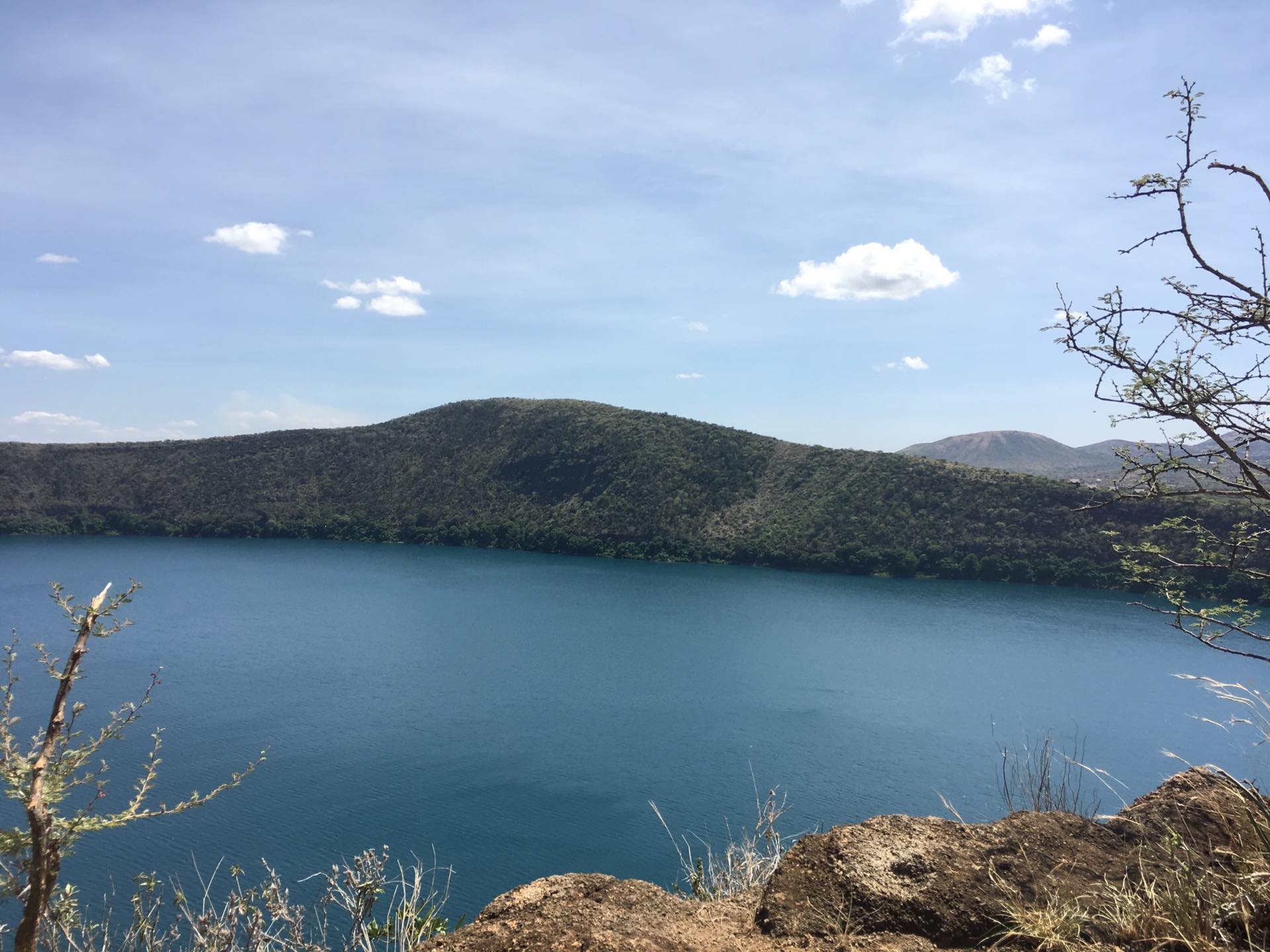
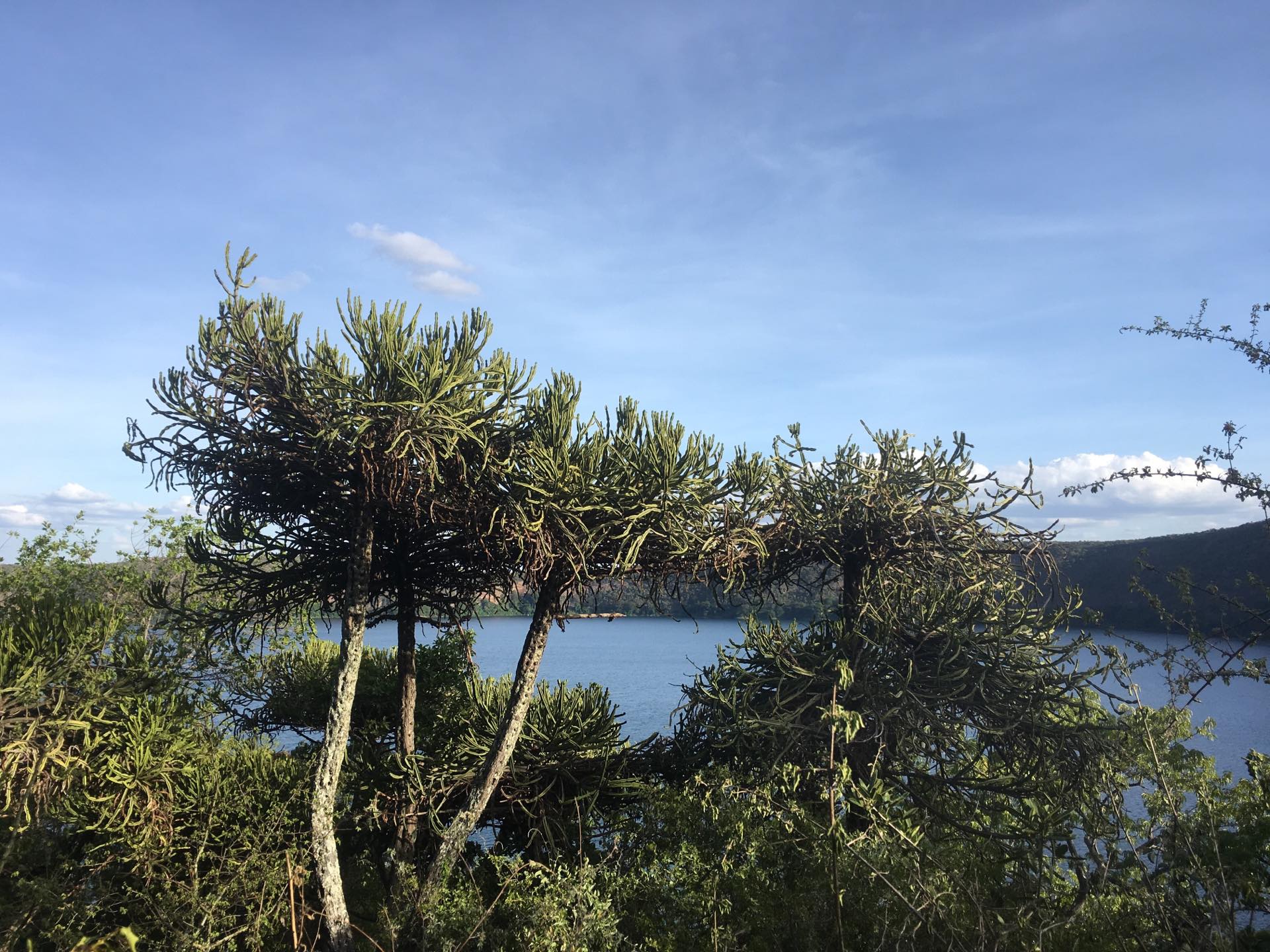
Secondly, we have learned to endure a heat that cannot be described in words! We were going on an excursion to Lake Chala where we had thought it would be nice to walk a bit in the forest and then cool off in the water. That was not the case! We had to go for an hour to the lookout spot in the pressurized heat of the savannah environment, so no shade! And after a while at the lookout point, we turned and went the same way back. Dizziness was severe, breathing difficult due to height and sweat flowing. But we survived! Then we came to the slope, where you come down to the water. Emelie did not have any difficulty getting down other than she slipped on the gravel a few times. Josefin, on the other hand, has never challenged her fright of heights in that way before! The sweat ran worse than ever and she got some help the last bit down. But we survived this too!

Lake Chala

Last but not least, we met our remote relatives at the pool. It was a wonderful meeting and we recognized ourselves in the individuals…

Karibu Tena!

Being an Eritrean Swede in Zanzibar – A candid reflection on colorism and privilege

One of the first things I knew I had to be cautious about before coming to do a field study in Zanzibar is the privilege I hold as a westerner. Not only was I highly aware of this because of previous travels in East Africa, but also because of knowledge and information that was shared at the preparatory course for the scholarship-recipients in January. The MFS-scholarship I have been given to be able to conduct this study is way more than the yearly income for the average Zanzibari and the majority here live under the poverty line. That alone puts a lot into perspective. What I did not realise, however was that my Eritrean identity would also allow me to have other types of privileges in Zanzibar. These privileges would also be highly related to my research topic of colorism.

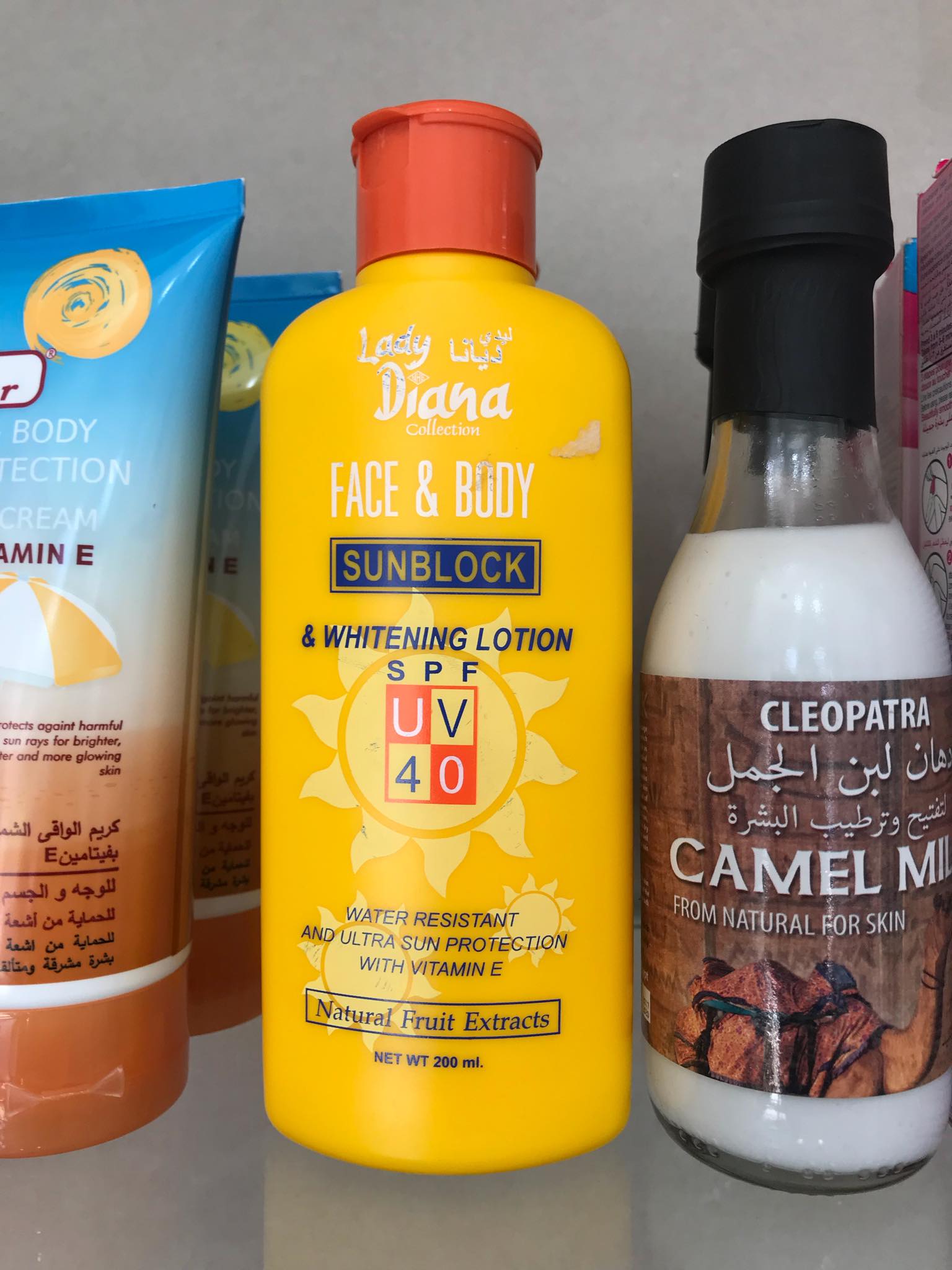
For those of you who are unfamiliar with the term, colorism is a form of internalised racism where the idea is that lighter skin and eurocentric features are better and more desirable. Colorism can manifest itself in many ways, everything from bleaching one’s skin to appear lighter to wishing to marry a person of a lighter skin complexion in order to have lighter-skinned children. Although the phenomenon is highly common all around the world, the discriminatory practice is often not talked about when discussing racism or discrimination on big platforms. 

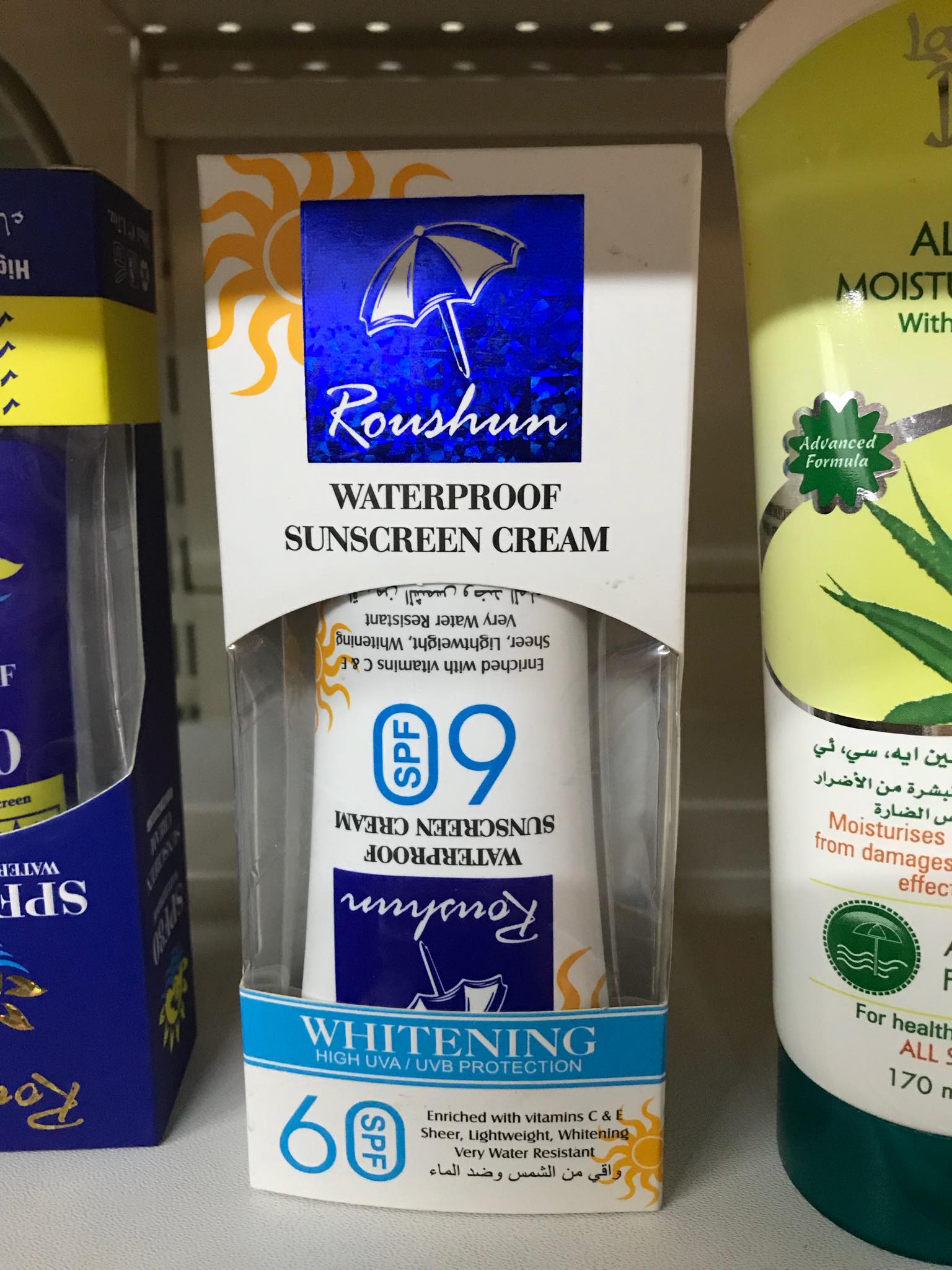
Sunscreen products with ”whitening effects” that can be found in supermarkets and pharmacies here

During my stay here, I have come to realize that being of Eritrean origin has led to me experiencing some privileges, that in my opinion, I would not have experienced if I was of a darker skin complexion or if I had a different hair texture. As a Black woman of Eritrean heritage, I get daily comments from people here about how I must be Ethiopian because of my ”beautiful skin and long hair”. My hair is drawing a lot of attention due to its’ thickness and length and there is not one day where I do not hear comments about my hair. Even though it is always nice to receive compliments, it is hard to appreciate them knowing that they are mostly rooted in colorism and the appreciation for phenotypical features that are viewed as ”non-African”. 

It is common that tourists and non-Tanzanians in Zanzibar get asked questions about where they are from and in general, there is a curiosity to get to know visitors on the island. The usual assumptions I get about where I am from are Ethiopia, Somalia, ”Abyssinia” and when I have worn my hair straight or curly, people assume that I am Arab, Indian or Brazilian. In the outskirts of Stone Town, I was getting comments about me being ”cappuccino” (a term used for people who are mixed) and that there could be no way that I was fully African. Which saddens me because of the fact that prior to coming to TZ, I thought I would blend in more with the people here and instead, I have never felt more like an outcast. 

At the same time, it has also become evident to me that White privilege is real and cannot be overlooked. During several occasions, I have experienced a better customer service, welcoming and better attitude in general when being around White westerners than when being in a group of Africans or westerners with African heritage like myself. The internalised racism sits deep and to combat it will take several measures. Hopefully, my study can contribute a little bit to highlighting the important issue of colorism and internalised racism that occurs globally. 

Below you will find a great article about White privilege, written by a fellow Swedish student who is doing an internship in Tanzania. This article also inspired me to write this blog post.

Vithetsnormen i Tanzania


First few days in Ghana!

HELLO!

My journey has started! Day 4 here in Accra today, and so far I really really REALLY like it here.

My accommodation is great, I live with the best people! A nice bunch of different nationalities, they are definitely a big part of why I already feel so at home here.

Also, the weather is great. So so great, it is definitely very hot and I’m constantly sweating but I’d take this any day instead of cold and grey weather!

The weekend was very chill, getting into everything. Yesterday I had my first interview with one organization, that is working with street children. I spent the first two hours with one of the workers there out on the street to see how it is. This is in an area of Accra that is mentioned as a scrap-yard. Many children live on the street there, picking metal to sell. We did not get to walk more than five minutes before there was a very serious incident with a young boy there. Nothing has ever affected me as much. This place was really something out of this world. That kind of place you would not ever believe existed unless you saw it with your own eyes. Yesterday was a day that I will remember for the rest of my life and that I will keep in my heart forever.


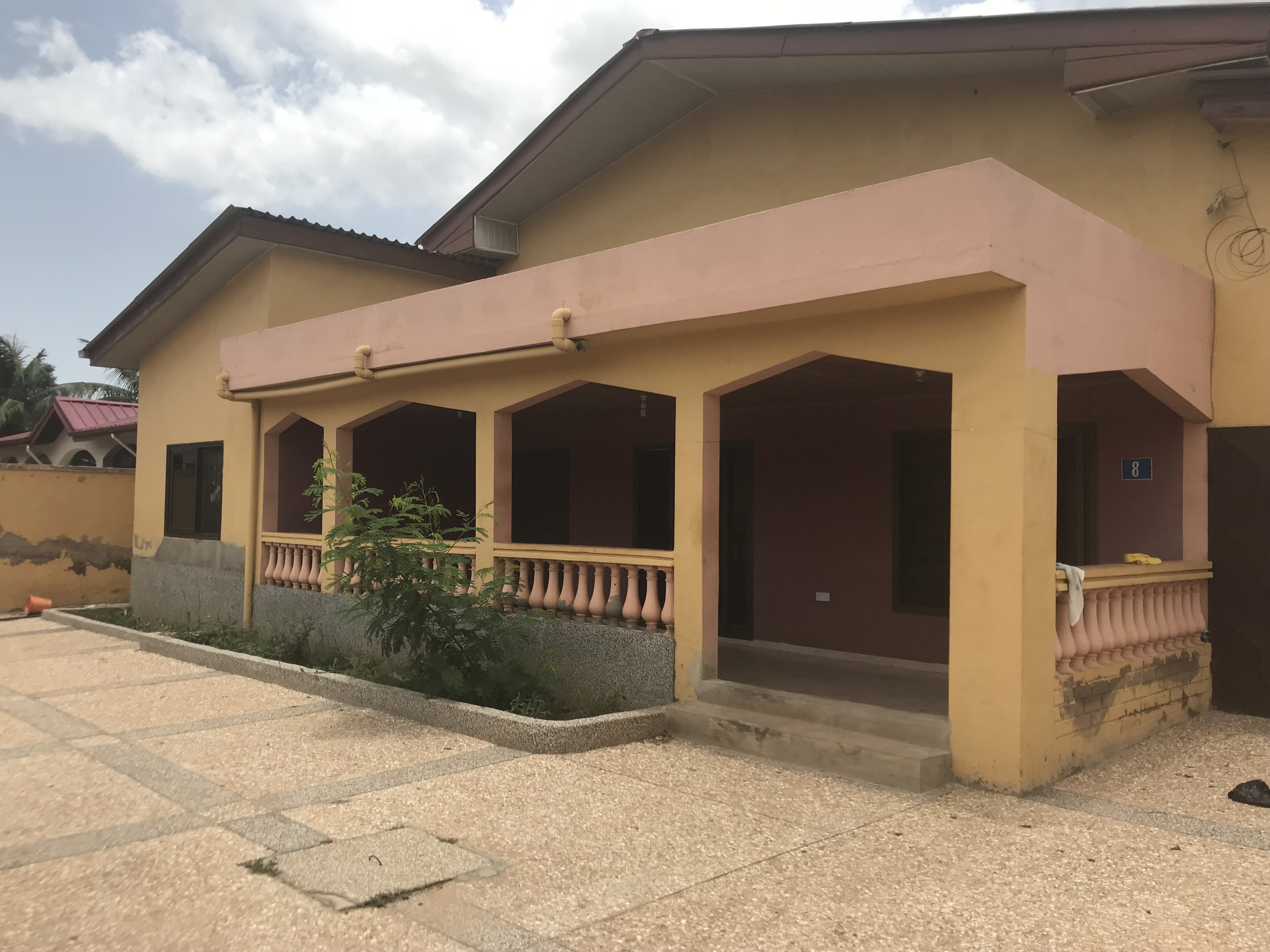
The house I’m living in and the backyard!

Some food one of the girls in the house from Ivory Coast cooked for us, amazing!

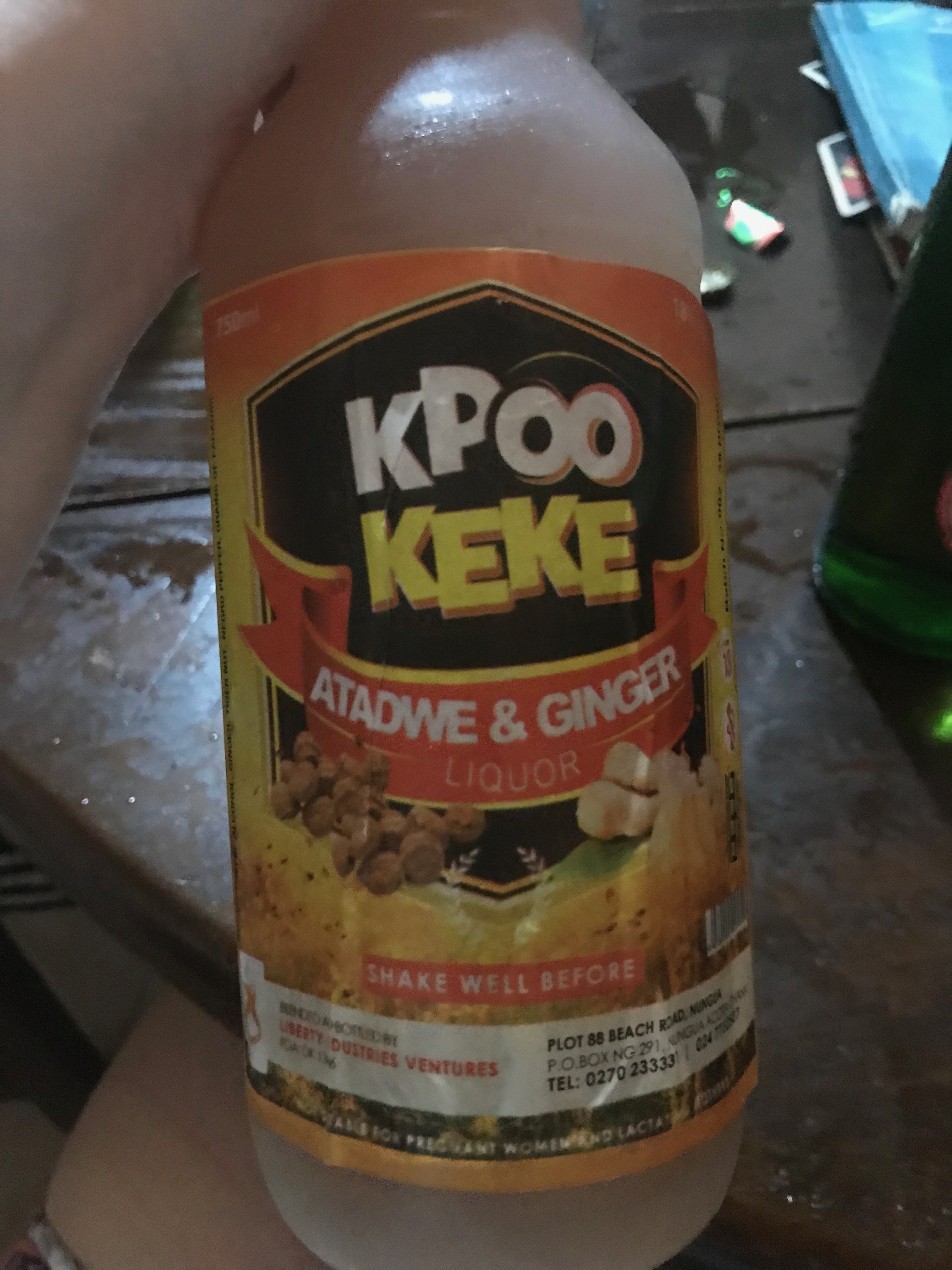
They are a big fan of everything ginger here.

What a week in Kathmandu!

Hi all,

Can´t believe I have already been to Nepal for two weeks!  So much is happening all the time and I have already fallen in love with the people, the food, the culture and the nature. This week I have attended several event through the Australian Government in Nepal, my host organisation for my field studies in Nepal.

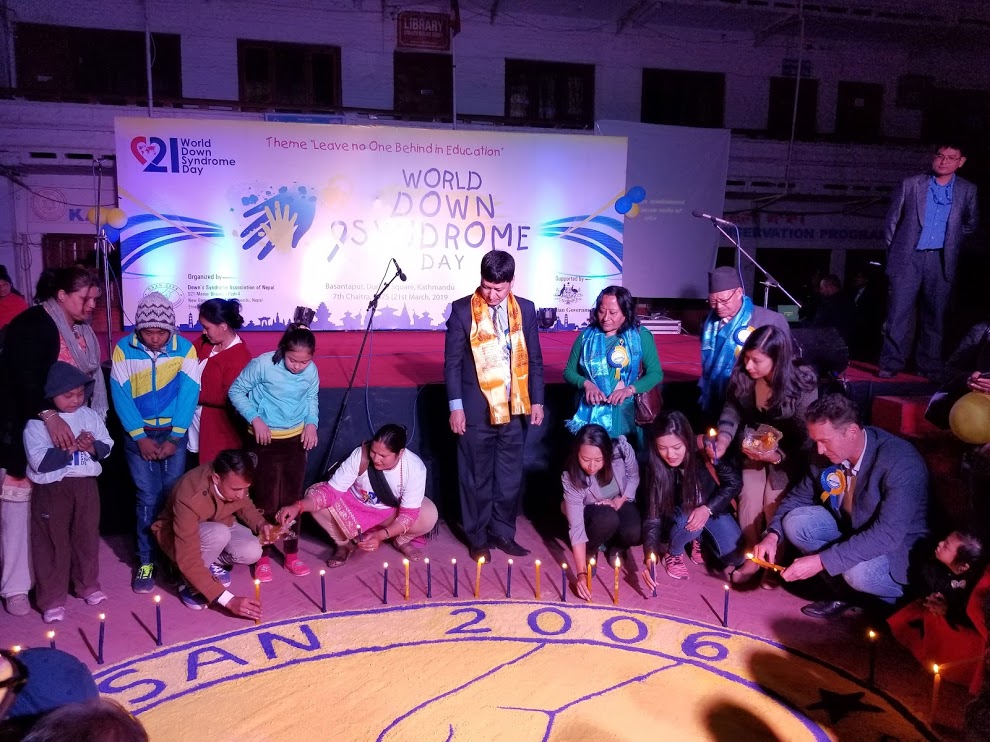
It was so good to participate at a program hosted to raise an awareness and support on the World Down Syndrome Day by the Down Syndrome Association of Nepal with a theme ” Leave no one behind in Education” at Basantapur Durbarsquare. So happy to see the little children with Down Syndrome perform. The drama conducted by the young students gave a very inspiring story and a very positive message to the audience, and lighting of candles at the end to show solidarity was heart touching. Below are some glimpses of the event.

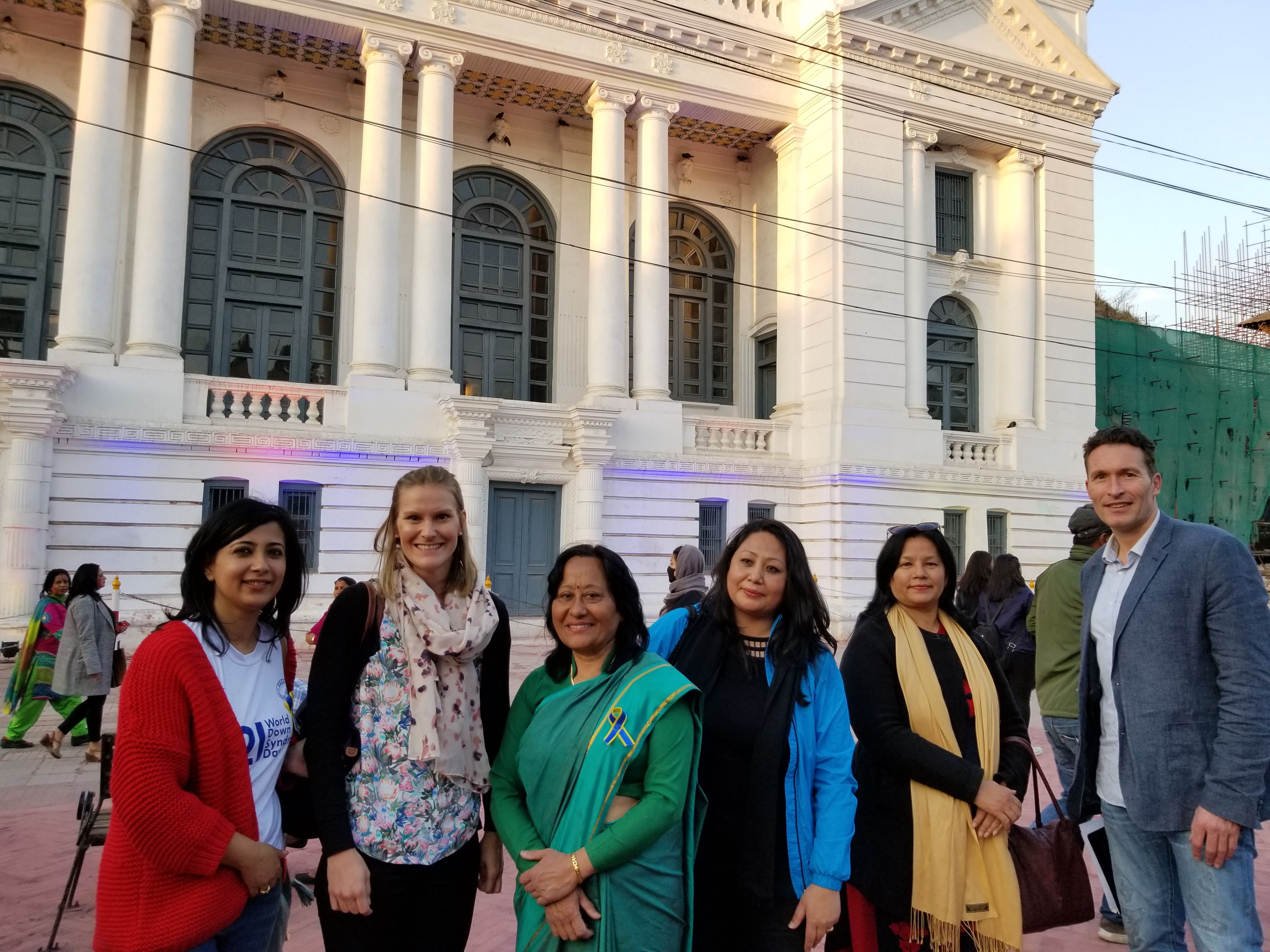
Me and people from Down Syndrome Association of Nepal and the Australian Embassy in Nepal
Light Ceremony at the World Down Syndrome Day

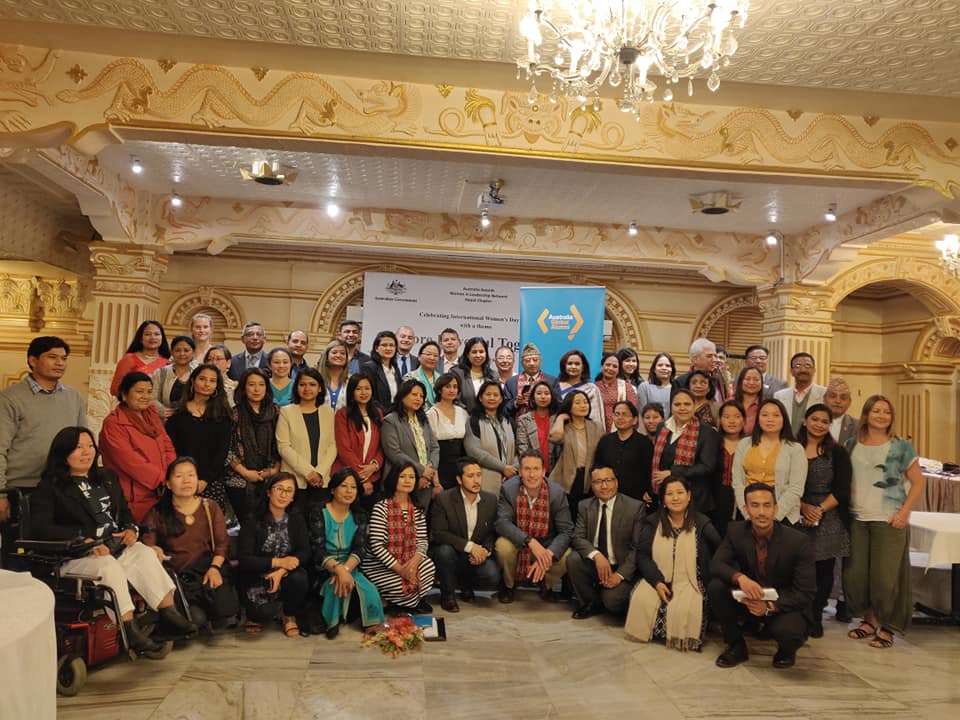
Below are some photos from the International Women’s Day interaction program organised by the Association of Nepalese Alumni from Australia (ANAA) and Australia Awards Leadership Network with a theme ”More Powerful Together” which truly justified the theme. The interaction program was very interesting with a good flow of Q & A session.

International Womens Day Celebration by the Australia Awards alumni
International Women’s Day Celebration by the Australia Awards alumni
International Womens Day Celebration, me and Sanjana from the Australian Embassy in Nepal

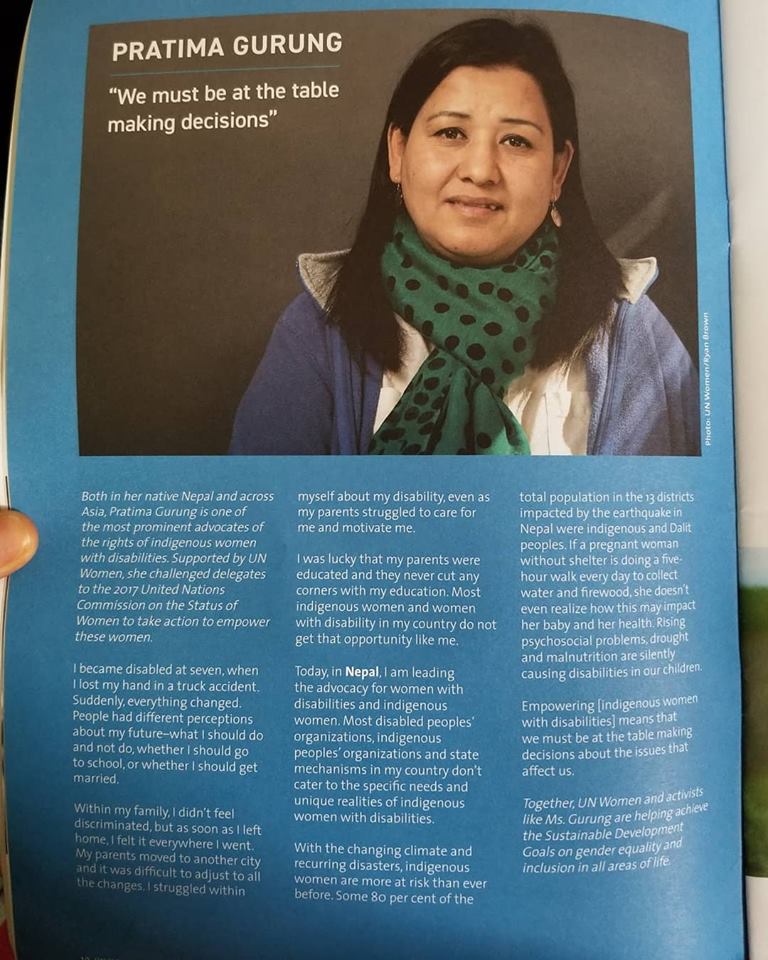
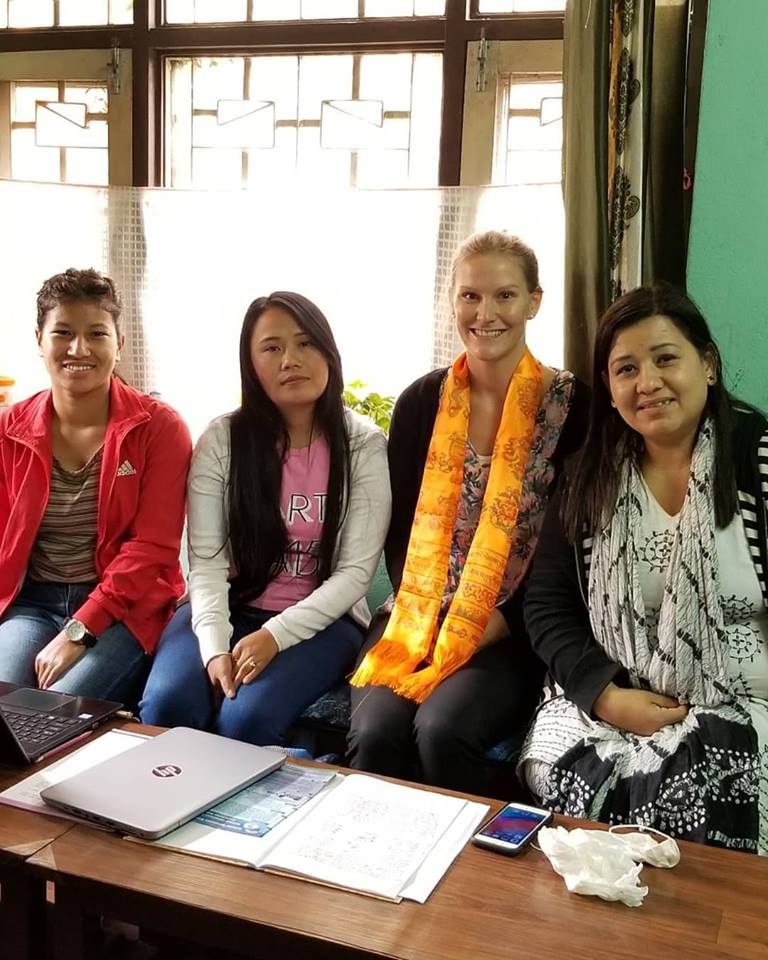
Had an inspiring meeting (interview) with the National Indigenous Disabled Women Association Nepal (NIDWAN). Ms Pratima Gurung, President of NIDWAN, is supported by the UN in her work and research on rights of indigenous women with disabilities!

Pratima Gurung, President of NIDWAN
Me and the National Indigenous Disabled Women Association Nepal (NIDWAN).

I also had the opportunity to experience the Nepali ’Holi’ celebration. That was lot of fun. Got to meet some Swedish MFS students from Lund University that are in Kathmandu for another week.

Happy Holi from Nepal

That is all for this week. Now I am about to head off on a big hike to Mardi Himal so will be out of internet for a week or up to 10 days, see you then!

A country in crisis:(

My first impression about the generous Ukrainian people, but also the rotten Ukrainian system that makes one’s life intolerable began with an incident at the airplane. I was flying with Ukrainian International Airlines (UIA), which I strongly don’t recommend to anyone else. This is because the personnel working on board did not fulfill their obligation. When I bought my ticket I paid for a meal, which I was supposed to get during my journey. However, despite the indication of this information in my ticket, the personnel tried to find various excuses and persuaded me that UIA did not inform them about this. I was told that I have to pay for my meal anew. Seeing me somewhat disappointed Ukrainian passengers sided with me and criticized the personnel of UIA. A middle aged man who was sitting next to me said ironically: ”welcome to Ukraine”! Then I thought and wondered how bad the situation should be in this country that the ”best” airlines skimped on its passengers.

I did not know what to expect from a country that has experienced a revolution, coup d’etat, annexation of its territories and military conflict during the last five years. Moreover, Ukraine is literally on the verge of bankruptcy. I recall what the man sitting next to me in the airplane said when we went into conversation. He said that ”people in Ukraine do not live, they survive, and make a living as they can”. Nevertheless, Ukrainian people are very kind, hospitable and always willing to help. When I arrived to Odessa a friend of mine came to the airport to meet me and followed with me to my accomodation. This was very kind of my friend who lives in Odessa. Because when taxi drivers see visitors and tourists, the price from airport to downtown can vary from 50 to 100 $.  Thanks to the local knowledge of my friend the taxi costed only 5 $. In general, during my short period in Ukriane I clearly understood one thing that Catherine Wanner wrote for more than twenty years ago in her book called ”Burden of Dreams: History and Identity in Post-Soviet Ukraine”.  Ukraine is one of those post-Soviet countries where you still have to know someone or to have ”blat” so that things can work efficiently.

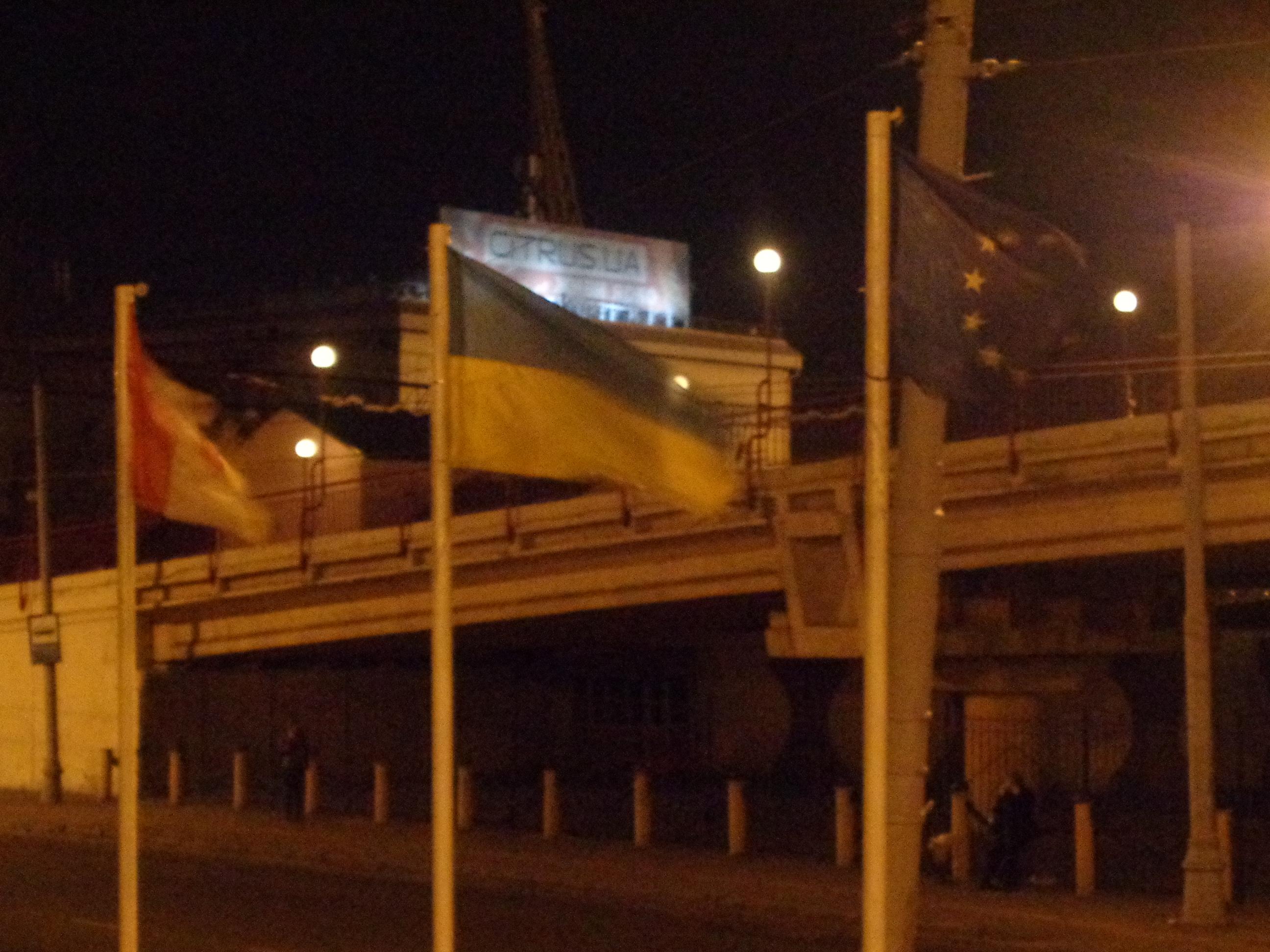
The flags of Odessa, Ukraine and EU

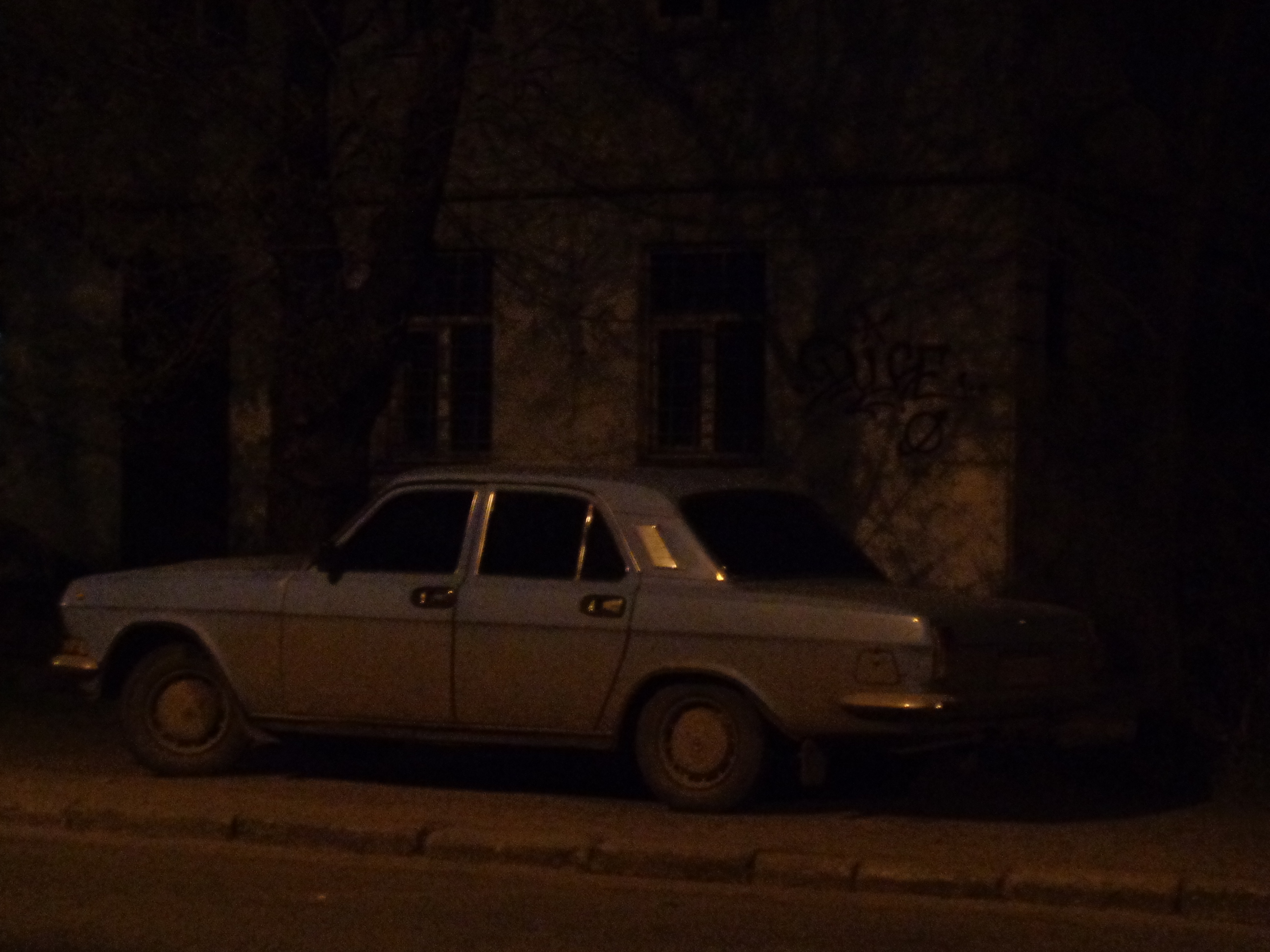
The city of Odessa is located in the south of the country. It is also called the pearl of Black Sea. The city was founded in the 18th century. One can encounter plenty of buildings and other architecture built during Tsarist and Soviet eras. Everyone who has visited Odessa would say that this city is frozen in time.  It is still possible to see plenty of Soviet cars in the streets that were manufactured in the Soviet Union. Even some people I have met here express Soviet nostalgia from time to time.

Volga, Qaz 24, Made in USSR.

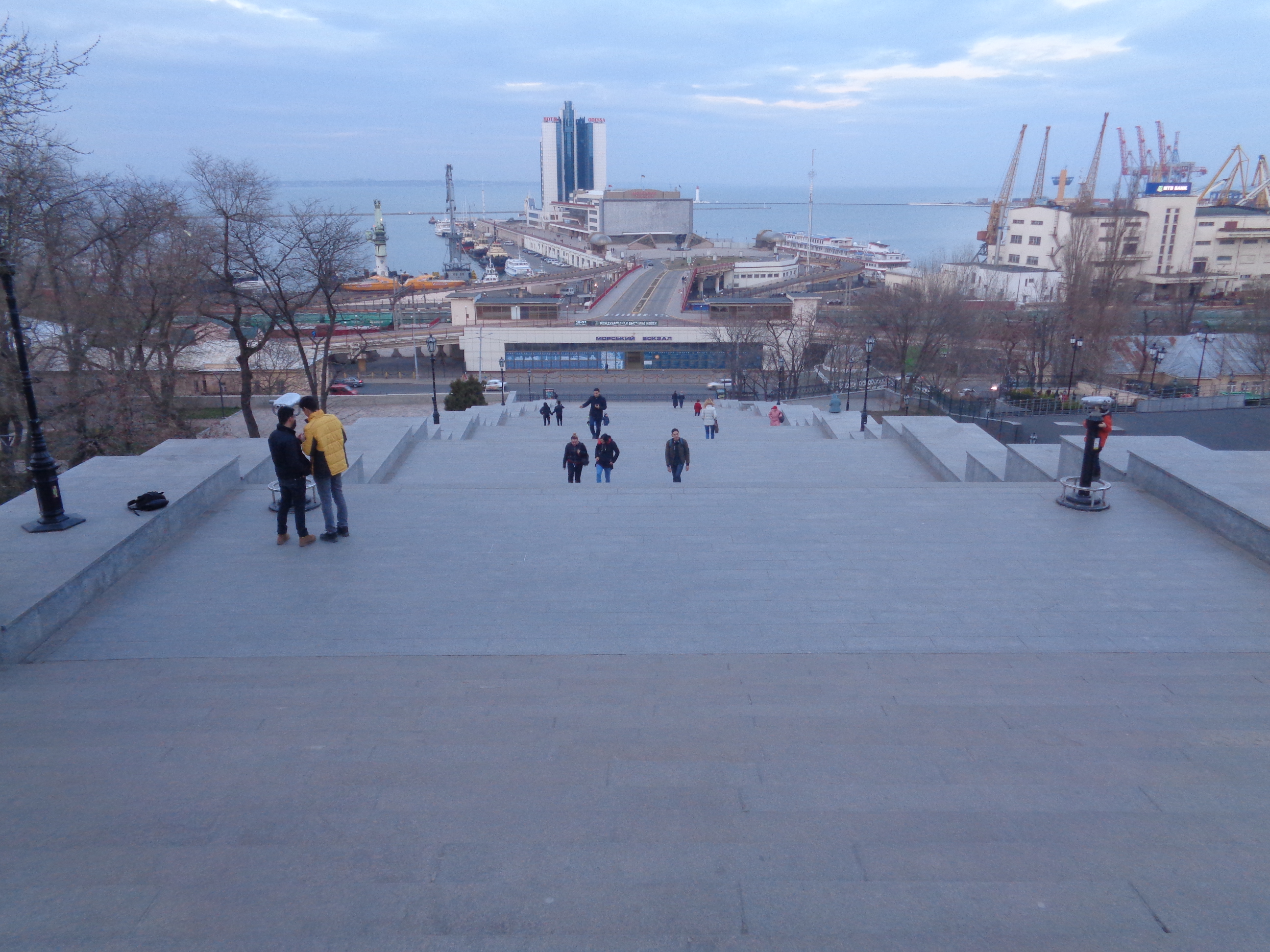
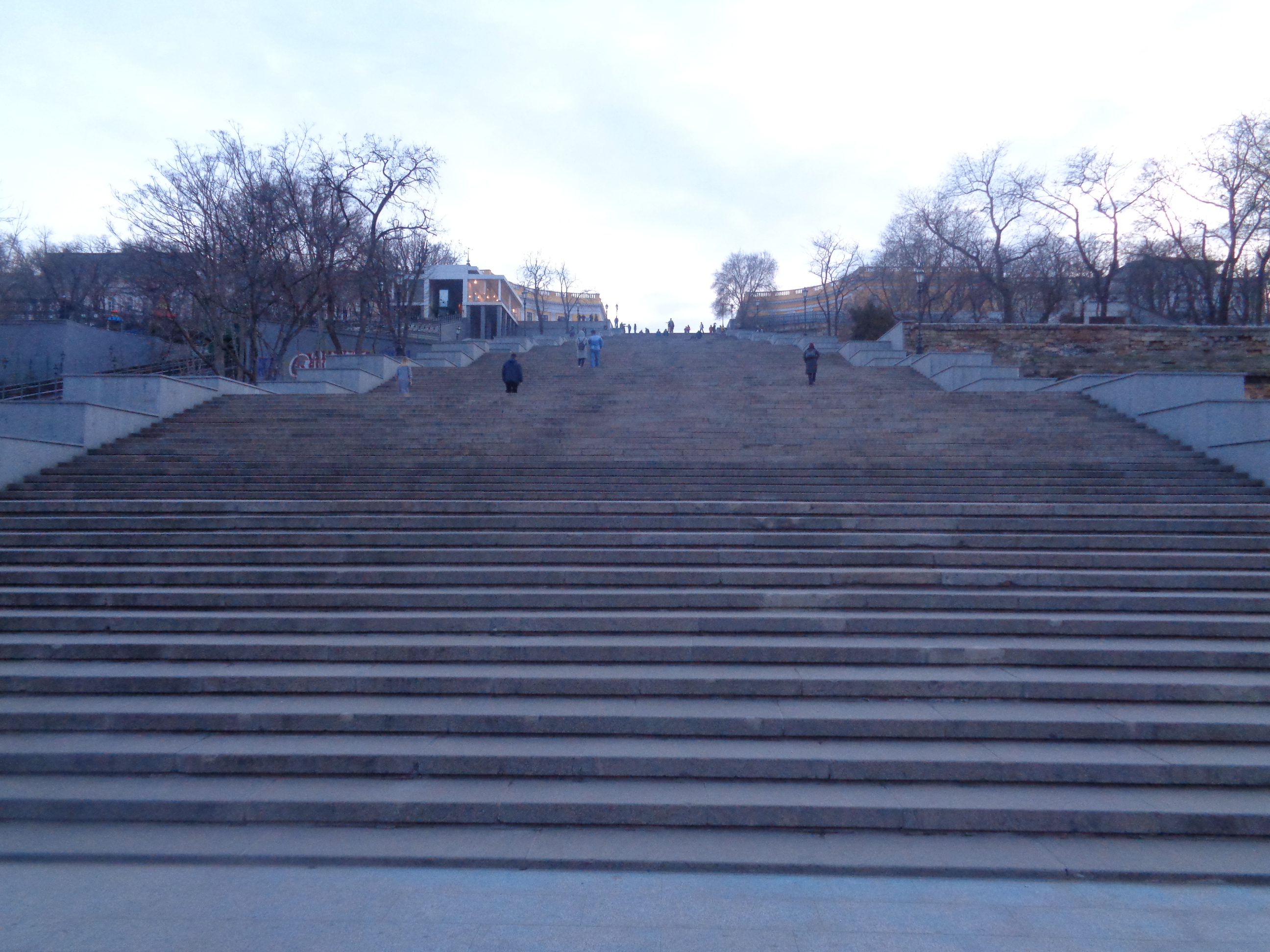
Russian language is widely spoken in Odessa, which makes my everyday encounter with locals somewhat easy due to my proficiency in Russian. The city of Odessa is very multicultural, and beside the majority Ukrainians the city is home to Russians, Bulgarians, Jews, Moldovans and other ethnic groups.  Potemkin stairs, the famous Deribasovskaya street and Arkadiya beach are the favourite sites visited by tourists.

Potemkin Stairs
Potemkin stairs from the bottom
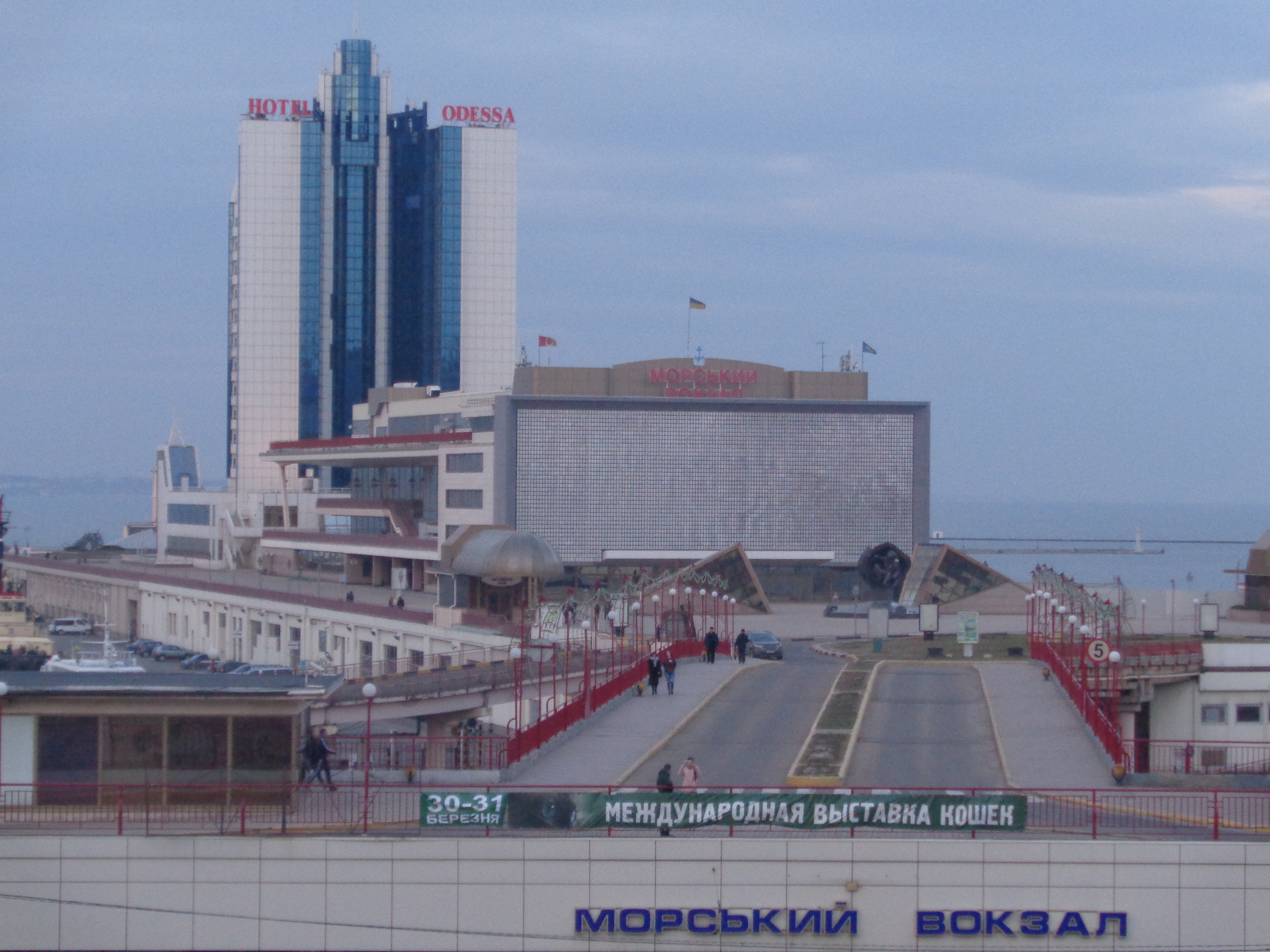
Odessa Maritime Station
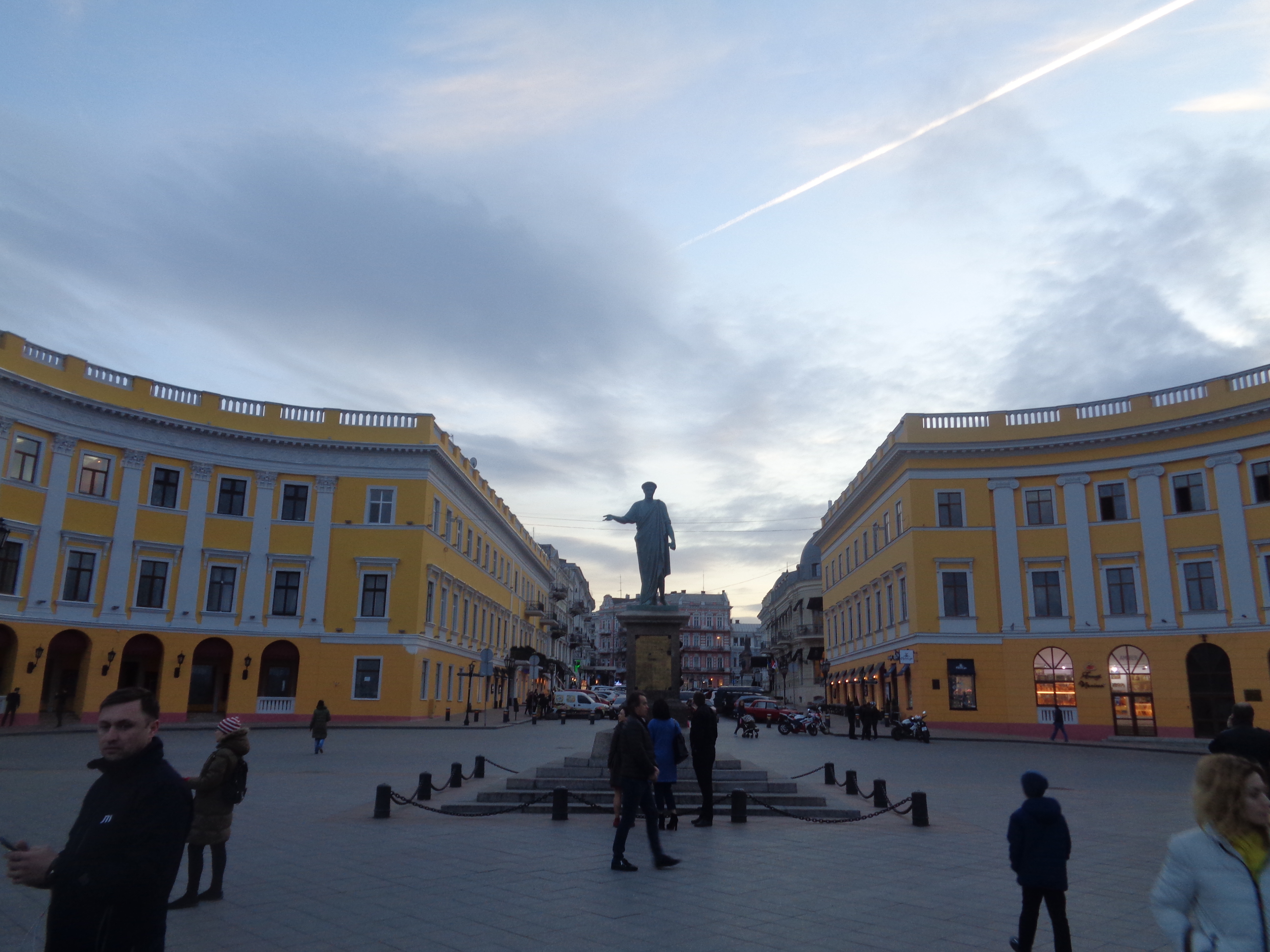
Richelieu square
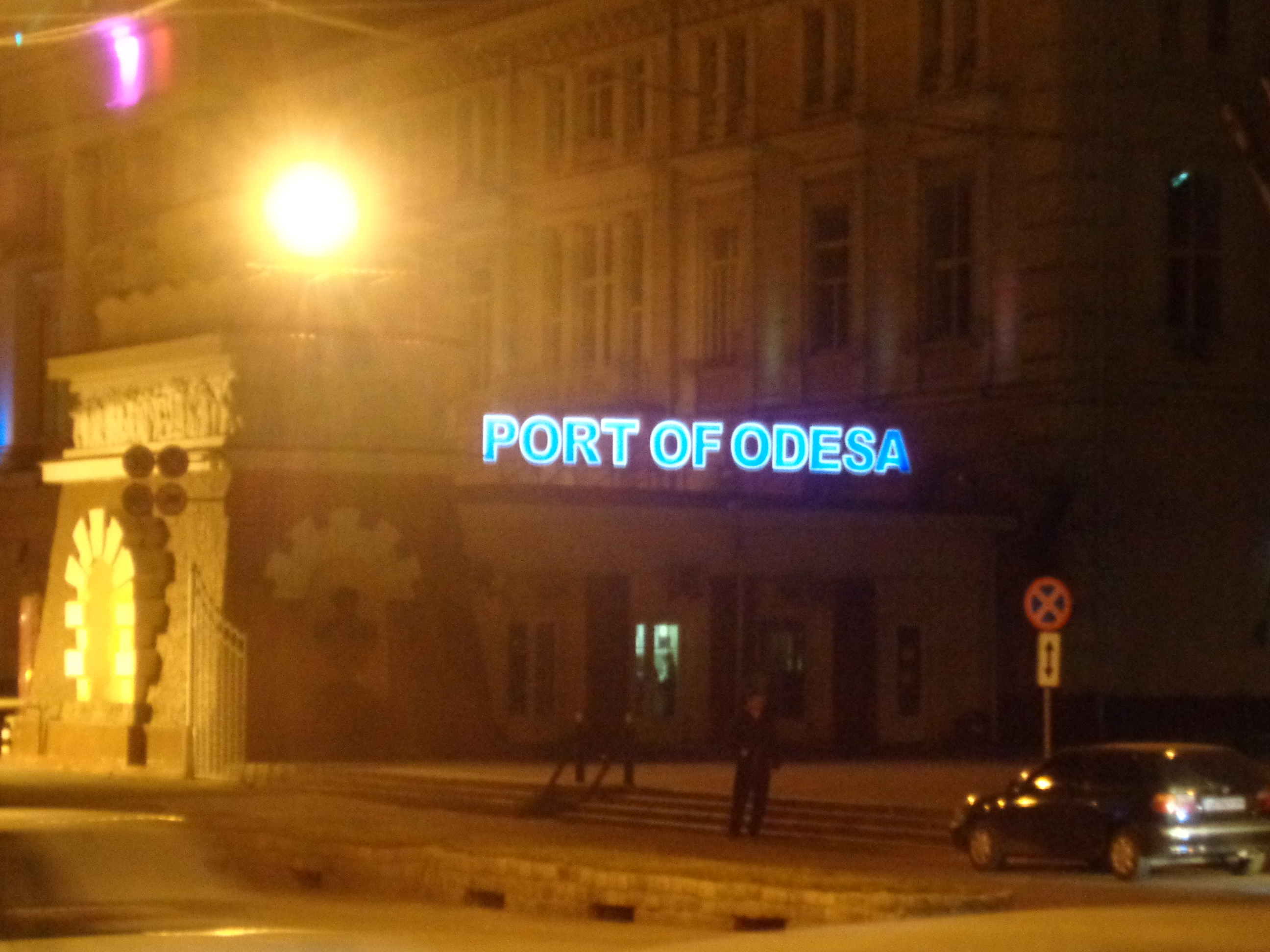
Port of Odessa

There is one thing about Odessa that I can not be silent about. Although there are beggars in almost every city of the world, the poverty in Odessa is expressed differently, especially by the youth. Instead of asking for money, teenager boys and girls can approach someone in the street and simply ask to buy them food, water or a bus ticket. It is heartbreaking to see the young generation in such condition!

I could not meet my second contact person at the Odessa National Mechnikov University this week since most of the lecturers were busy due to the ongoing examinations. My gatekeeper had also a tight schedule at work and could not meet me this week. So, I will meet my contact person at the University, as well as my gatekeeper next week. My gatekeeper will inform me about the Right Sector’s activities and introduce me to the research participants that I plan to interview and observe.

It was all from me for this time but I will be back with new stories next week!